
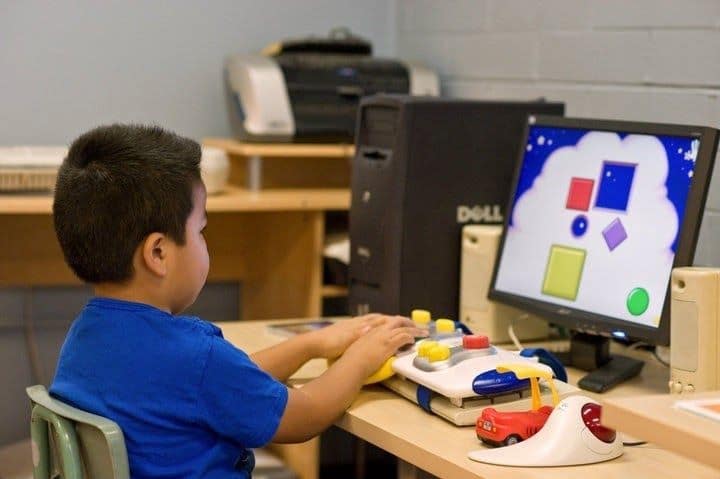
Technology can make everyday life easier to navigate for individuals with autism and other neurodiverse learners. The right tools can support communication, independence, confidence, career readiness, life skills, and daily routines in ways that feel practical and easier to access.
The Dan Marino Foundation continues to support technology-driven resources that help individuals, families, educators, employers, and organizations create better pathways for learning, growth, and opportunity.
In this article, we will look at how assistive technology can support individuals with autism and highlight digital tools that help users build skills for school, work, home, and community life.
The Dan Marino Foundation’s Mission
The Dan Marino Foundation was created to support individuals with autism and their families. For decades, that mission has grown through resources, partnerships, technology, and community-centered support.
A major part of that work is accessibility through technology. Digital tools can help individuals practice real-life skills, build confidence, prepare for employment, strengthen communication, and manage everyday responsibilities with greater independence.
These tools are not about changing who someone is. They are about making learning, planning, and participation more accessible.
Why Assistive Technology for Autism Matters
Assistive technology can support individuals with autism in many areas of daily life. Some tools help with communication. Others support routines, transitions, learning, job readiness, shopping, money skills, relaxation, or task management.
For many individuals and families, these tools can make important skills easier to practice before using them in real situations.
Assistive technology may help users:
- Practice communication in a safe environment
- Build confidence before interviews or workplace conversations
- Learn daily living and independent living skills
- Manage reminders, routines, and tasks
- Strengthen financial literacy and shopping skills
- Reduce overwhelm by creating more structure
- Explore careers, training programs, and next steps
- Access information in a way that fits different learning needs
When technology is designed with accessibility in mind, it can help create clearer pathways to independence, confidence, and opportunity.
EduEx: Building Life Skills Through Interactive Learning
EduEx is a web-based educational tool that supports life skill development through focused activities, interactive games, and assessments.
The platform helps users practice important skills related to communication, job readiness, financial literacy, and everyday decision-making. Instead of relying only on passive learning, EduEx gives users a way to engage with lessons and apply what they are learning.
For individuals who benefit from structure, repetition, and interactive practice, tools like EduEx can make skill-building feel more accessible and manageable.
Market Mania: Practicing Shopping and Money Skills
Market Mania turns grocery shopping into an interactive learning experience.
The app helps users practice practical shopping skills such as finding items, navigating aisles, staying organized, and paying with cash or card. These are everyday skills that can affect independence, confidence, and participation in the community.
By creating a gamified experience, Market Mania gives users a safe place to practice before applying those skills in a real store.
Daily Buddy: Supporting Routines and Everyday Independence
Daily Buddy is designed to support daily task management and independent living.
The app includes reminders, relaxation tools, communication support, and image-to-text features that can help users manage routines and responsibilities throughout the day.
For individuals who benefit from visual support, structure, or reminders, Daily Buddy can help make daily life feel more organized and less overwhelming.
Florida Ready: Career Exploration and Readiness Support
Florida Ready is an AI-powered career readiness platform that helps students and job seekers explore careers, connect with Florida training programs, and build employability skills.
The tool supports career exploration, interview training, AI-guided conversations, self-awareness, goal setting, and informed transitions into postsecondary education or the workforce.
Users can explore careers that match their interests and strengths, practice interview skills, review personalized feedback, and learn about Florida programs, colleges, certifications, and training pathways that may support their goals.
How Assistive Technology Supports Real-Life Growth
The value of assistive technology is not limited to the screen. These tools are meant to support skills that can carry into everyday life.
A user who practices interview questions can feel more prepared for a real conversation. A person who learns shopping steps through a game may feel more confident in a grocery store. Someone who uses reminders and visual supports may be able to move through the day with greater independence.
These small steps matter. They can help individuals build confidence, strengthen practical skills, and participate more fully at home, at school, at work, and in the community.
Accessibility Through Innovation
The Dan Marino Foundation continues to support innovation that makes tools, resources, and opportunities easier to access.
Technology can help reduce barriers when it is designed around real needs. That means creating tools that are interactive, user-friendly, practical, and connected to the skills people use in daily life.
As digital resources continue to evolve, the goal remains the same: helping neurodiverse individuals access tools that support confidence, independence, preparedness, and long-term growth.
A Community Approach
Supporting individuals with autism requires families, educators, employers, service providers, and community partners to work together.
Assistive technology can be part of that support system, but it works best when communities understand how to use it thoughtfully. Families may use tools to support routines at home. Educators may use them to reinforce skill-building. Employers and organizations may use them to support career readiness and workplace preparation.
When communities have better tools and better information, they can create stronger pathways for neurodiverse individuals to participate and thrive.
How to Get Started
Individuals, families, educators, and organizations can explore the Dan Marino Foundation’s digital tools to learn which resources may support their needs.
Available resources include tools for life skills, job readiness, daily routines, independent living, shopping skills, communication, and career exploration.
To learn more, visit the Foundation’s Digital Tools page or explore Florida Ready for career readiness and interview preparation support.
In Conclusion: A Future Supported by Accessible Technology
Assistive technology can help make everyday goals easier to practice, understand, and reach.
For individuals with autism, these tools can support communication, independence, confidence, career readiness, and daily life skills. For families and communities, they can offer practical ways to support growth without relying on one-size-fits-all solutions.
The Dan Marino Foundation continues to support technology-driven resources that help neurodiverse individuals build skills, access opportunities, and move toward the future with greater confidence.
Mission
Empowering Individuals with Autism.