
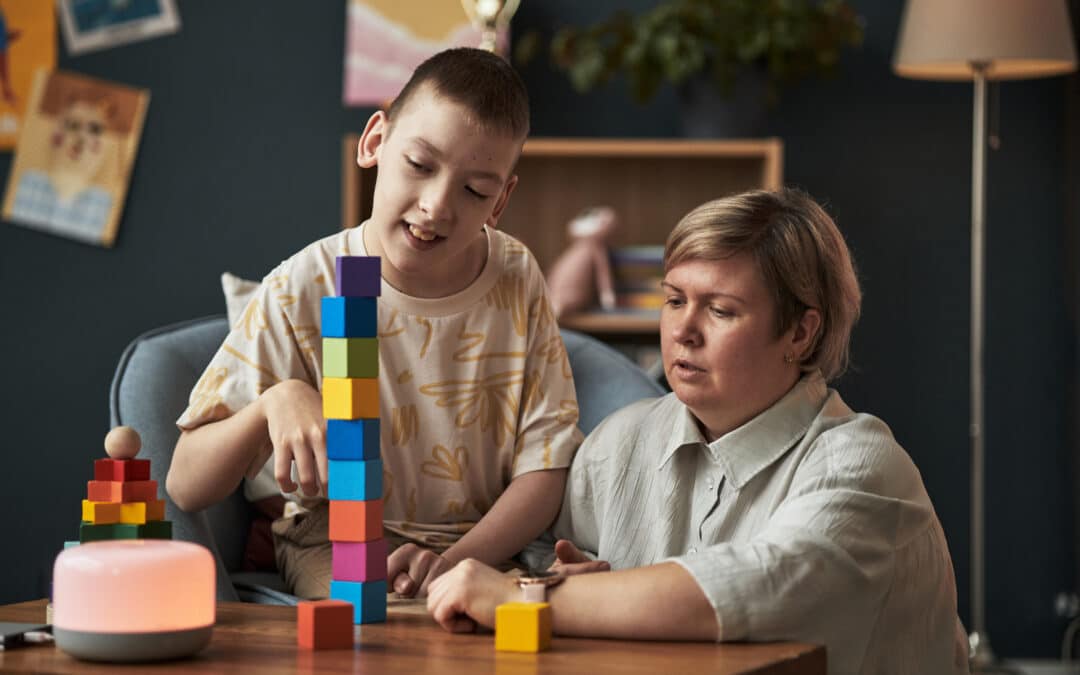
Why Families Are Turning to Creative Therapies for Stronger Progress
Parents searching for autism programs in Florida often look for structure, routine, and evidence-based strategies. What surprises many is that some of the most powerful support tools are the ones that feel the most natural. Music. Paint. Rhythm. Movement. Expression.
Kids who struggle to communicate suddenly find another way to speak. Children who avoid eye contact begin engaging through a beat. A child who rarely sits still may stay focused for an entire painting session because the activity finally feels accessible.
Music and art therapies are not “extras.” They are proven therapeutic approaches that unlock emotional, social, and developmental progress in ways traditional methods sometimes cannot. Families across Florida are discovering why creative therapies are becoming essential parts of modern autism programs, not optional add-ons.
This guide explains how these therapies work, why they create such noticeable changes, and how they complement the programs of trusted organisations like the Dan Marino Foundation.
Why Creative Expression Matters in Autism Programs in Florida
Children on the spectrum often think and communicate differently. Traditional speech or behavioural sessions can feel overwhelming or restrictive, especially when a child cannot yet express how they feel.
Creative therapies remove that barrier. They allow children to:
- Express emotions without needing words
- Build confidence through small, achievable tasks
- Explore sensory input in a safe, structured way
- Strengthen motor skills without pressure
- Connect with therapists through shared activity rather than verbal demands
This is why many autism programs in Florida now integrate creative therapies alongside ABA, speech therapy, and occupational therapy. They reinforce the same developmental goals but reach children in a different, often more meaningful way.
How Music Therapy for Autism Supports Communication and Social Growth
Music therapy for autism is one of the most researched forms of creative intervention. Children naturally react to rhythm and melody, even when they struggle with spoken language.
A certified music therapist uses structured activities to target emotional and communication goals. These activities may include:
- Singing familiar songs to encourage verbal imitation
- Using simple instruments to build turn-taking
- Rhythm patterns to develop attention and sequencing
- Call-and-response exercises to strengthen listening and engagement
- Movement and music to improve motor planning
The reason it works so well is simple. Music activates multiple areas of the brain at the same time. That means improvements in language, attention, regulation, and social participation happen faster because the child is not overwhelmed by strict instruction. They are responding to sound, repetition, and structure that feels fun.
Parents often describe the same breakthrough:
“When my child couldn’t express feelings, he started using a song to show it.”
“When words were hard, humming came first.”
“When communication stalled, music unlocked something new.”
This is the kind of progress that makes music therapy a core part of many autism programs in Florida today.
Autism Art Programs and Their Impact on Sensory, Emotional, and Cognitive Skills
Art therapy focuses on expression through drawing, painting, sculpture, and visual storytelling. For children who struggle to verbalise emotions, art gives them a structured yet non-restrictive outlet.
Therapists guide children through activities designed to:
- Improve fine motor skills through brush strokes and drawing patterns
- Strengthen hand-eye coordination
- Reduce anxiety through soothing sensory input
- Encourage decision-making and independence
- Explore emotions through colors, shapes, and images
- Support narrative thinking and symbolic understanding
The best autism art programs in Florida do not force children to create something “perfect.” Instead, they give kids the freedom to explore materials safely and purposefully.
Art becomes a bridge between emotional processing and communication. A child may draw what they cannot describe. They may choose colors based on internal feelings they were never able to discuss before.
These sessions often lead therapists and parents to new insights about the child’s preferences, triggers, and strengths.
The Sensory Benefits of Creative Therapies
Children on the spectrum often struggle with sensory processing. Some seek stimulation. Others avoid it. Music and art therapy help regulate both groups.
Here is how:
Music Therapy Helps With:
- Auditory tolerance
- Emotional regulation
- Body awareness
- Predictable rhythmic patterns that reduce anxiety
Art Therapy Helps With:
- Tactile exploration through safe materials
- Understanding cause-and-effect
- Gradual sensory exposure
- Calming repetitive motions like coloring or shaping clay
These therapies create controlled sensory experiences that help children stay regulated without feeling overwhelmed. This is why they are powerful additions to autism programs in Florida, especially those designed for children with sensory integration challenges.
Why Creative Therapies Improve Social Interaction
One of the biggest goals for many parents is helping their child connect with others. Music and art naturally encourage this without pressure.
Creative therapy improves social skills by:
- Encouraging shared activities
- Building turn-taking
- Practicing imitation
- Prompting joint attention
- Creating predictable routines
- Establishing trust between the child and therapist
Group sessions take it further. Children participate in circles, collaborate on art pieces, share instruments, and learn to recognize each other’s cues.
These skills transfer into everyday life, making interactions at school, home, and community settings easier and more meaningful.
How Creative Therapies Complement Traditional Autism Programs in Florida
Parents sometimes worry that creative therapies will replace “real” therapy. The opposite is true.
Music and art therapy strengthen and support traditional interventions by enhancing:
- Verbal communication during speech therapy
- Motor planning during occupational therapy
- Emotional regulation during ABA sessions
- Social engagement during group activities
When programs like the Dan Marino Foundation combine these methods, children receive balanced support that targets the whole child, not just one area of development.
How Parents Can Get Started With Creative Therapies
Families looking to add creative therapies should consider:
- Checking if the child’s school or therapy center offers certified programs
- Asking insurance about coverage for creative therapies
- Exploring local community centers that offer autism art programs or music therapy for autism
- Consulting with a developmental specialist for recommendations
Many autism programs in Florida integrate creative therapies into early intervention, afterschool programs, or full developmental plans. Parents can start small and see how their child responds.
Support Growth Through Creativity
Discover How the Dan Marino Foundation Helps Children Thrive
If your child benefits from expression, movement, rhythm, or hands-on creativity, the Dan Marino Foundation offers programs that nurture those strengths. Their team integrates structured learning with innovative therapies that engage the whole child.
To explore autism programs in Florida that include creative therapies and evidence-based support, reach out to the Dan Marino Foundation and learn how they help families build meaningful progress every day.
Frequently Asked Questions About Autism Programs in Florida and Creative Therapies
1. Why are creative therapies included in autism programs in Florida?
Creative therapies work because many children respond better to music and art than to verbal instruction alone. These therapies support communication, social skills, motor development, and emotional regulation. Florida programs use them because they help children progress in ways that feel natural rather than forced.
2. How does music therapy for autism help with communication?
Music activates multiple brain regions at once. Rhythms encourage imitation, melodies support memory, and songs help children practice sounds and patterns. Over time, music therapy builds communication by giving children a comfortable way to express themselves.
3. What makes autism art programs beneficial for emotional development?
Art provides a nonverbal outlet for feelings children cannot yet explain. Colors, textures, and shapes allow them to process emotions, reduce anxiety, and express internal experiences safely. Therapists use these sessions to help children understand and manage emotions more effectively.
4. Are creative therapies evidence-based?
Yes. Research consistently shows improvements in communication, sensory regulation, and social engagement through music and art therapy. This is why many autism programs in Florida incorporate them as part of a well-rounded treatment plan.
5. Can music therapy help children who are sensitive to sound?
A trained therapist can introduce sound gradually, helping children build tolerance without overwhelming them. Sessions are controlled, gentle, and designed around the child’s sensory profile, making it safe for sound-sensitive children.
6. What kinds of activities do art therapists use with autistic children?
Therapists may use drawing, painting, clay, collage, and pattern-based projects. Activities are chosen to support motor skills, attention, and emotional expression. Each session has a therapeutic purpose, even when it feels like simple play.
7. Do creative therapies replace ABA or speech therapy?
No. They enhance traditional therapies by strengthening emotional readiness, engagement, and communication. For many families, progress becomes faster when creative therapies work alongside ABA, speech, or occupational therapy.
8. Are these therapies covered by insurance?
Coverage varies. Some insurance plans reimburse for music therapy if it is delivered by a board-certified therapist. Art therapy coverage depends on provider type and diagnosis. Parents should check their policy or ask the therapy center for guidance.
9. How do Florida programs train their creative therapy specialists?
Music therapists must complete formal certification. Art therapists complete graduate-level training. Many specialists also receive additional training in autism intervention to ensure sessions meet developmental goals.
10. How can parents find autism art programs or music therapy for autism near them?
Parents can contact therapy centers, early intervention programs, or the Dan Marino Foundation for referrals. Many autism programs in Florida offer creative therapy on-site or through partner providers.
