
Symptoms of Autism: A Deep, Gentle, Parent-Friendly Guide to Understanding the Spectrum Across All Ages
When parents begin searching for the symptoms of autism, they often expect a simple checklist. A short list of traits that will either confirm their concerns or reassure them that everything is okay. But autism rarely works that way. Autism is not a single pattern. It is a collection of subtle signs, communication differences, sensory experiences, and behaviors that show up in different ways, at different times, and for different people.
Two children can both be autistic and look nothing alike. One may speak early and read at three years old, but struggle deeply with social cues. Another may speak late and feel overwhelmed by sound or touch, but display incredible creativity. Adults often look back at their childhoods and suddenly recognize symptoms they never understood before.
This is why understanding autism symptoms requires a slower, more thoughtful approach. Parents deserve information that is clear without being clinical. Thorough without being overwhelming. Honest without being frightening. And above all, respectful of the fact that autism is not a flaw. It is a different way of experiencing the world.
This guide moves gently and slowly through each section. It explains what symptoms really look like in daily life, not just what they sound like on a checklist. It explores how symptoms appear in babies, toddlers, children, teens, adults, men, and women. It also explains subtle or mild symptoms, high-functioning presentations, and overlaps with ADHD.
Take your time with it. Understanding autism is a journey, and this guide walks beside you step by step.
Understanding Autism Through Core Patterns Rather Than Checklists
Instead of thinking about “what are the symptoms of autism” as one long list, it helps to look at autism through four core patterns. These patterns show up across all ages, but they look different depending on the person’s strengths and challenges.
These four patterns are communication differences, social interaction differences, behavior and flexibility patterns, and sensory processing experiences.
Each person’s mix is unique. Some have intense sensory reactions but communicate clearly. Some have delayed speech but adjust easily to routine changes. Some have mild symptoms that appear only in stressful moments. Others have a more obvious pattern early in life.
Let us explore these four areas slowly and thoroughly.
Communication Differences
Communication is one of the most common areas where parents notice early signs. Autism does not always involve delayed speech. In fact, many autistic people speak early, but the way they communicate feels different.
Communication includes tone, eye contact, gestures, facial expressions, and the ability to understand and respond to social cues. These differences can be incredibly subtle or very clear.
Here are a few examples of communication differences that may appear:
A child may speak fluently but repeat lines from shows because memorized dialogue feels easier than spontaneous speech. A child may understand words but struggle to express their needs. A toddler may not point, which is an early form of communication. An adult may speak formally even with close friends because informal conversation feels unpredictable.
Parent experiences often sound like:
“My child talks, but I can tell something feels different.”
“He uses so many words but struggles with back-and-forth conversation.”
“She communicates, but it feels rehearsed or too precise.”
Communication differences can include:
- Delayed speech or limited vocabulary
- Repeating phrases or scripts
- difficulty expressing needs clearly
- Taking language literally
- Trouble following conversational flow
- Talking about interests at length
- Unusual rhythm or tone of voice
- Reduced use of gestures
- Difficulty interpreting jokes, hints, or sarcasm
These differences are not a sign of low intelligence. They reflect how the brain processes communication.
Communication Differences
Communication is one of the most common areas where parents notice early signs. Autism does not always involve delayed speech. In fact, many autistic people speak early, but the way they communicate feels different.
Communication includes tone, eye contact, gestures, facial expressions, and the ability to understand and respond to social cues. These differences can be incredibly subtle or very clear.
Here are a few examples of communication differences that may appear:
A child may speak fluently but repeat lines from shows because memorized dialogue feels easier than spontaneous speech. A child may understand words but struggle to express their needs. A toddler may not point, which is an early form of communication. An adult may speak formally even with close friends because informal conversation feels unpredictable.
Parent experiences often sound like:
“My child talks, but I can tell something feels different.”
“He uses so many words but struggles with back-and-forth conversation.”
“She communicates, but it feels rehearsed or too precise.”
Communication differences can include:
- Delayed speech or limited vocabulary
- Repeating phrases or scripts
- difficulty expressing needs clearly
- Taking language literally
- Trouble following conversational flow
- Talking about interests at length
- Unusual rhythm or tone of voice
- Reduced use of gestures
- Difficulty interpreting jokes, hints, or sarcasm
These differences are not a sign of low intelligence. They reflect how the brain processes communication.
Social Interaction Differences
Social interaction is another area where autism becomes visible. But it is important to understand that difficulty with social cues does not mean a lack of interest in people. Many autistic individuals crave connection but feel overwhelmed by the fast, unpredictable nature of social interaction.
Social differences often appear through behavior. A child may prefer solitary play because it feels easier. A teen may feel anxious in group conversations because social rules are confusing. An adult may misinterpret tone or sarcasm and feel embarrassed later.
These patterns can include:
- Limited back-and-forth conversations
- Difficulty joining group activities
- Not noticing subtle facial expressions
- Needing clear and literal communication
- Difficulty reading the room
- Preference for one-to-one interaction
- Confusion about jokes or hidden meanings
- Needing more time to respond socially
As children grow, these differences become more apparent, especially during group activities or peer interactions.

Behavioral Patterns and Repetitive Actions
Autistic behaviors are often misunderstood by those who do not know the purpose behind them. Repetitive behaviors are usually ways of coping, expressing excitement, regulating emotions, or seeking predictability.
Repetitive actions can include rocking, pacing, lining up objects, tapping fingers, or rewatching the same videos. For autistic individuals, these actions often bring comfort and stability.
Patterns may include:
- Difficulty adapting to unexpected changes
- Strong attachment to routines
- Deep focus on specific interests
- Repeating actions as a calming tool
- Emotional overwhelm with sudden transitions
Parents often describe transitions as the hardest part of daily life. This is not stubbornness. It is a nervous system struggling to shift gears quickly.
Behavioral Patterns and Repetitive Actions
Autistic behaviors are often misunderstood by those who do not know the purpose behind them. Repetitive behaviors are usually ways of coping, expressing excitement, regulating emotions, or seeking predictability.
Repetitive actions can include rocking, pacing, lining up objects, tapping fingers, or rewatching the same videos. For autistic individuals, these actions often bring comfort and stability.
Patterns may include:
- Difficulty adapting to unexpected changes
- Strong attachment to routines
- Deep focus on specific interests
- Repeating actions as a calming tool
- Emotional overwhelm with sudden transitions
Parents often describe transitions as the hardest part of daily life. This is not stubbornness. It is a nervous system struggling to shift gears quickly.
Symptoms of Autism Across Ages
Autism symptoms evolve as children grow. Some signs appear early, while others become clearer during school age or teenage years. Adults often recognize symptoms in hindsight.
Below is a slow, detailed walk-through of each life stage.
Symptoms of Autism in Babies
Babies do not show dramatic symptoms. Instead, early signs appear through responsiveness and social engagement. Some babies seem unusually quiet. Others may cry often or struggle to soothe.
Early signs include:
- Limited eye contact
- Not smiling socially
- Not responding to their name
- Lack of babbling
- Preferring objects over faces
- Difficulty imitating expressions
- Unusual muscle tone
- Repetitive movements
These early signs do not diagnose autism, but they offer clues that the baby experiences the world differently.

Symptoms of Autism in Toddlers
Toddlers show clearer patterns because this is the age when language and social skills begin developing rapidly. Many parents ask about the symptoms of autism in toddlers around age two or three.
Common signs include:
- Delayed speech
- Little or no pointing
- Limited pretend play
- Difficulty following simple instructions
- Repetitive play patterns
- Fixation on certain objects
- Strong sensory reactions
- Meltdowns during transitions
- Regression, such as losing words
Parents often describe toddlers with autism as independent or in their own world, although they may be loving and connected in their own way.
Symptoms of Autism in Toddlers
Toddlers show clearer patterns because this is the age when language and social skills begin developing rapidly. Many parents ask about the symptoms of autism in toddlers around age two or three.
Common signs include:
- Delayed speech
- Little or no pointing
- Limited pretend play
- Difficulty following simple instructions
- Repetitive play patterns
- Fixation on certain objects
- Strong sensory reactions
- Meltdowns during transitions
- Regression, such as losing words
Parents often describe toddlers with autism as independent or in their own world, although they may be loving and connected in their own way.
Symptoms of Autism in Children
Once a child enters school, expectations for social behavior increase. This makes symptoms more noticeable.
Children may:
- Struggle with group play
- Misunderstand social cues
- Have difficulty making or keeping friends
- Become overwhelmed in noisy environments
- Follow routines carefully to feel safe
- Take language literally
- Fixate on specific topics or activities
- Struggle with multi-step directions
These symptoms can make school challenging, even for very bright children.
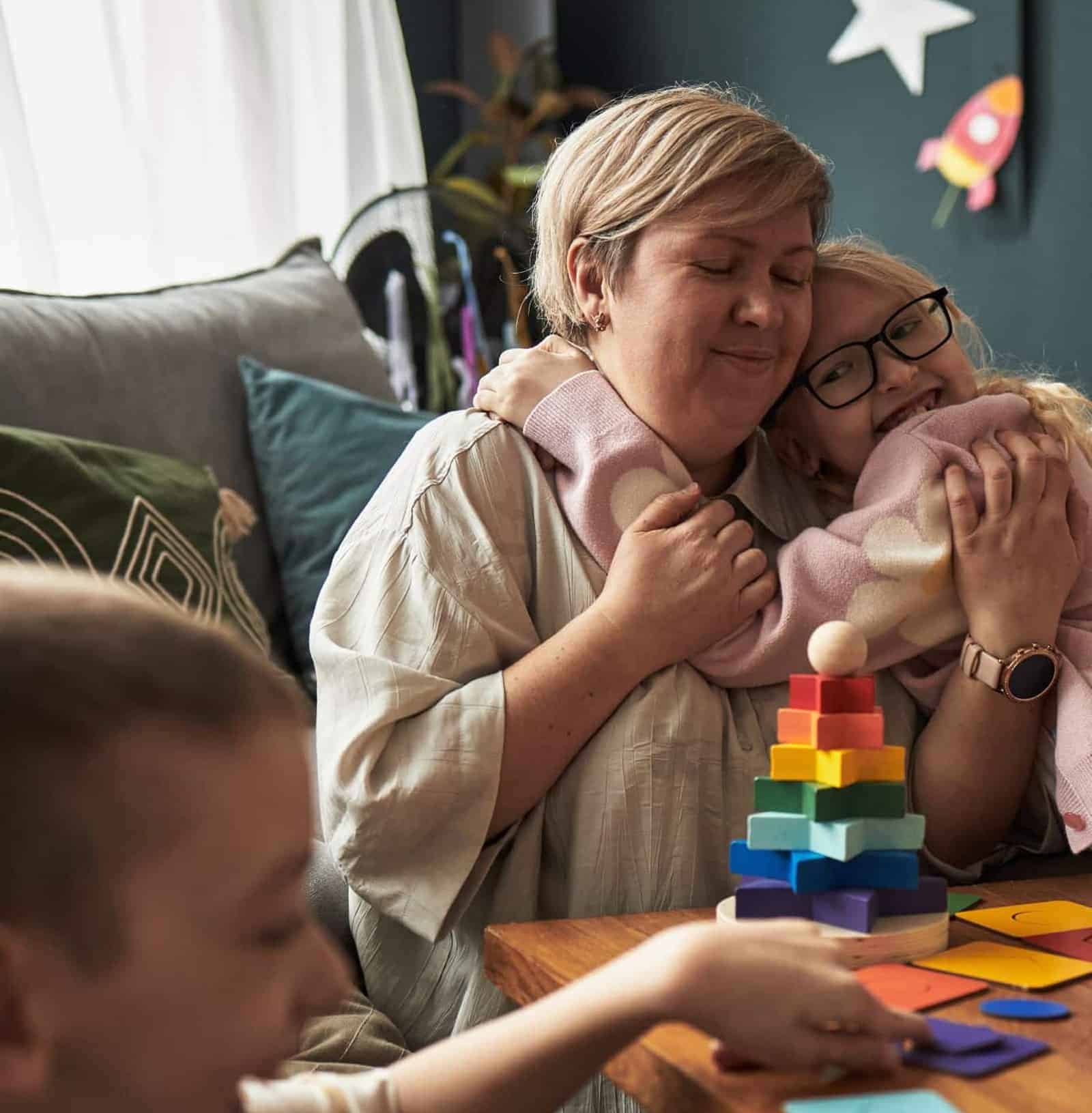

Symptoms of Autism in Teenagers
Teenage years introduce complexity. Social pressure rises. Expectations for independence grow. Sensory sensitivity intensifies for many.
Teenagers may:
- Avoid social activities
- Feel extremely anxious in social settings
- Experience emotional burnout
- Interpret sarcasm or subtle communication incorrectly
- Cling to routines for comfort
- Withdraw from peers
- Experience sensory overwhelm
- Develop intense interests
Teen girls often hide symptoms to fit in, which can lead to exhaustion and anxiety.
Symptoms of Autism in Teenagers
Teenage years introduce complexity. Social pressure rises. Expectations for independence grow. Sensory sensitivity intensifies for many.
Teenagers may:
- Avoid social activities
- Feel extremely anxious in social settings
- Experience emotional burnout
- Interpret sarcasm or subtle communication incorrectly
- Cling to routines for comfort
- Withdraw from peers
- Experience sensory overwhelm
- Develop intense interests
Teen girls often hide symptoms to fit in, which can lead to exhaustion and anxiety.
Gender Differences in Autism Symptoms
Autism can look very different depending on a child’s gender. For years, most diagnostic tools were built around how autism appears in boys, which means many girls slipped through the cracks or were labeled with anxiety, shyness, or behavioral issues instead. Understanding these differences helps parents recognize the signs earlier and get the right support.
Symptoms in Boys
Autism in boys is often easier to identify because the behaviors align closely with the traditional, well-researched autism profile. Boys tend to show more visible or outward signs that adults quickly notice in school, at home, or during social activities.
Here are the symptoms that commonly appear in boys, with explanations:
- Repetitive behaviors that stand out: Boys may flap their hands, line up toys, pace in circles, or repeat phrases over and over. These behaviors are usually noticeable and are often the first thing parents or teachers pick up on.
- Clear challenges in social interaction: Many boys struggle with eye contact, turn-taking, or understanding personal space. They may prefer playing alone or find group settings overwhelming, which becomes more obvious during preschool or early school years.
- Language delays or unusual language patterns: Boys on the spectrum might speak later than expected, use fewer words, or talk in a very literal or scripted way. Some may repeat lines from shows (echolalia) instead of initiating conversation.
- Difficulty handling transitions or changes in routine: A sudden change in schedule, a new environment, or a different route home can cause stress or frustration. Boys may react through crying, resistance, or repetitive questioning.
Because these behaviors match what early autism research focused on, boys are often diagnosed sooner and receive intervention earlier.
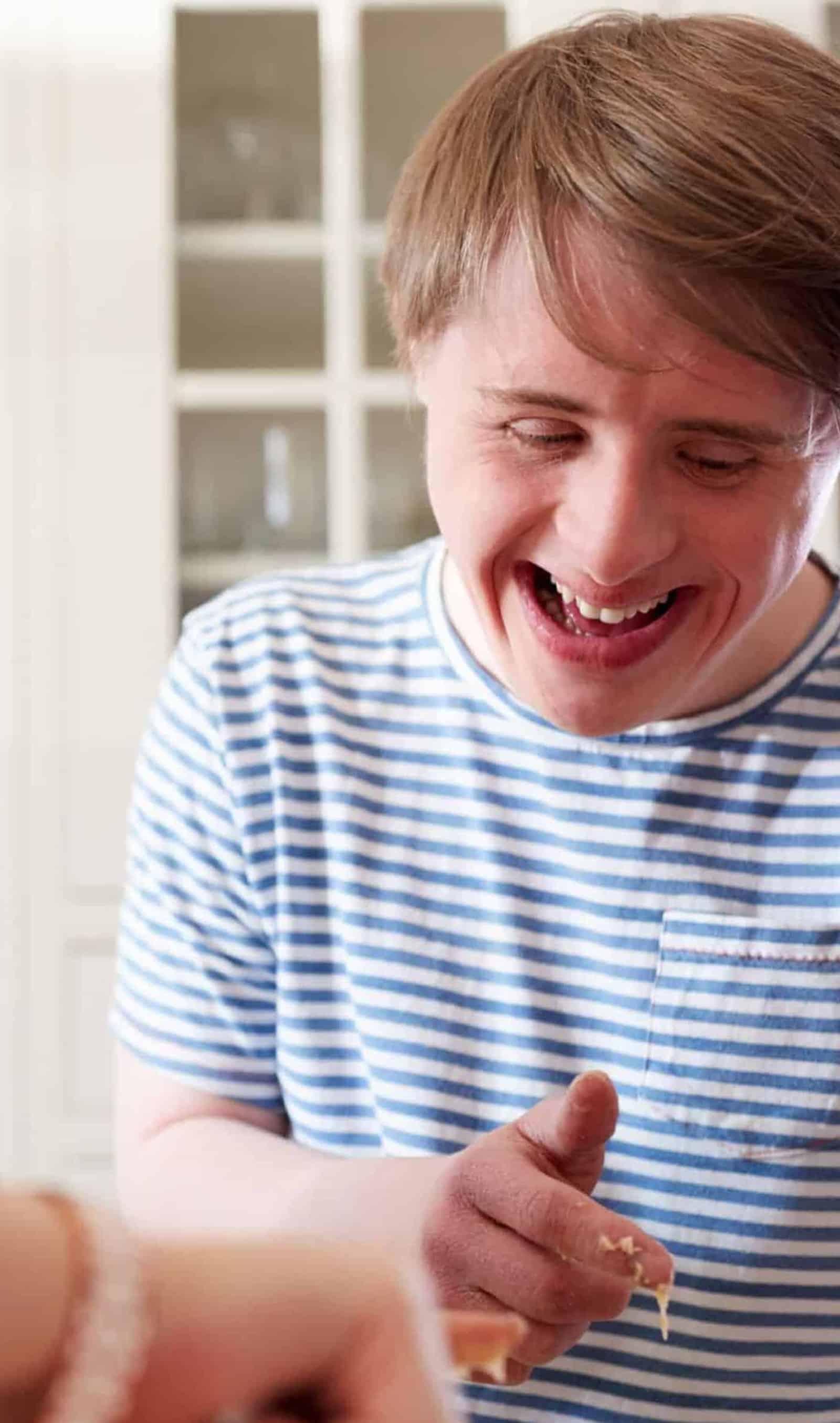
Symptoms in Boys
Autism in boys is often easier to identify because the behaviors align closely with the traditional, well-researched autism profile. Boys tend to show more visible or outward signs that adults quickly notice in school, at home, or during social activities.
Here are the symptoms that commonly appear in boys, with explanations:
- Repetitive behaviors that stand out: Boys may flap their hands, line up toys, pace in circles, or repeat phrases over and over. These behaviors are usually noticeable and are often the first thing parents or teachers pick up on.
- Clear challenges in social interaction: Many boys struggle with eye contact, turn-taking, or understanding personal space. They may prefer playing alone or find group settings overwhelming, which becomes more obvious during preschool or early school years.
- Language delays or unusual language patterns: Boys on the spectrum might speak later than expected, use fewer words, or talk in a very literal or scripted way. Some may repeat lines from shows (echolalia) instead of initiating conversation.
- Difficulty handling transitions or changes in routine: A sudden change in schedule, a new environment, or a different route home can cause stress or frustration. Boys may react through crying, resistance, or repetitive questioning.
Because these behaviors match what early autism research focused on, boys are often diagnosed sooner and receive intervention earlier.

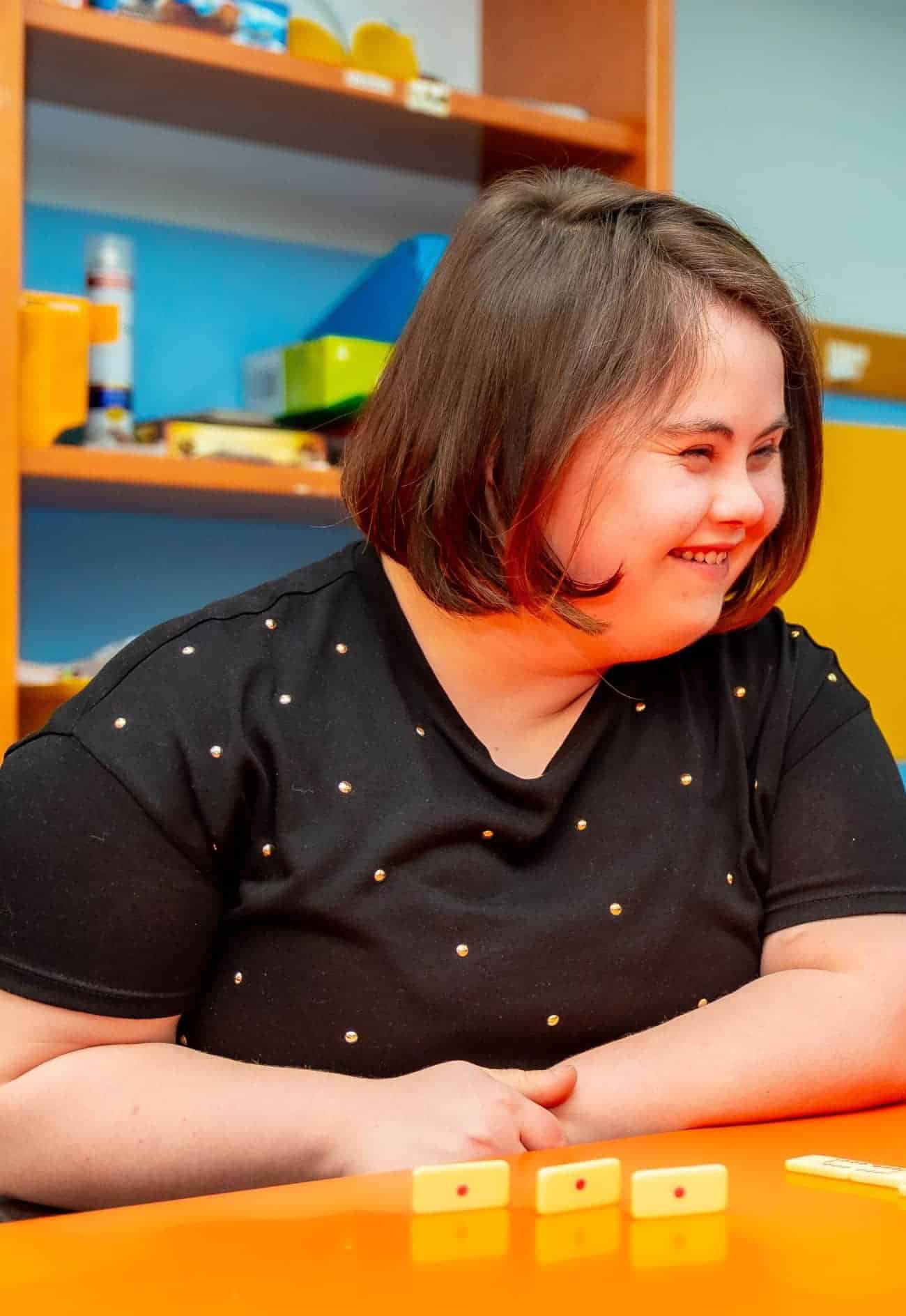

Symptoms in Girls
Autism in girls often looks very different. Many girls become experts at masking, which means they learn to hide struggles by copying others, memorizing social patterns, or staying quiet to avoid attention. This ability makes symptoms less obvious to adults, and as a result, many girls are diagnosed years later.
Here are the common symptoms in girls, with deeper explanations:
- Blending in by copying peers: Many autistic girls carefully study classmates and imitate their behavior, speech, and expressions. On the surface, they seem socially successful, but they are often exhausted from the effort required to keep up.
- Strong special interests that seem socially acceptable: Instead of trains or mechanical objects, girls may obsess intensely over animals, dolls, books, or specific shows. Their passion looks typical, but the intensity and focus are much greater than average.
- Internalizing stress and anxiety instead of acting out: While boys may express distress outwardly, girls often turn it inward. They may worry, overthink, or become perfectionistic. This internal struggle can be mistaken for shyness or emotional sensitivity.
- Appearing shy or quiet rather than socially confused: Teachers may describe an autistic girl as polite, well-behaved, or withdrawn without realizing she is struggling to read social cues. Quietness makes symptoms harder to detect.
- Working hard to please others: Many girls fixate on following rules or avoiding criticism. This people-pleasing behavior hides underlying difficulty in understanding social nuances.
- Meltdowns at home after masking all day at school: A girl who seems calm in public may release all her exhaustion, frustration, and sensory overload the moment she enters a safe environment. Parents often see intense emotional reactions with no clear trigger because the child has been holding everything in.
These patterns make autism in girls more subtle and complex. When symptoms are mild or when a girl is highly skilled at masking, adults may not recognize what is happening until the child experiences burnout, anxiety, or social struggles later in life.
Symptoms in Girls
Autism in girls often looks very different. Many girls become experts at masking, which means they learn to hide struggles by copying others, memorizing social patterns, or staying quiet to avoid attention. This ability makes symptoms less obvious to adults, and as a result, many girls are diagnosed years later.
Here are the common symptoms in girls, with deeper explanations:
- Blending in by copying peers: Many autistic girls carefully study classmates and imitate their behavior, speech, and expressions. On the surface, they seem socially successful, but they are often exhausted from the effort required to keep up.
- Strong special interests that seem socially acceptable: Instead of trains or mechanical objects, girls may obsess intensely over animals, dolls, books, or specific shows. Their passion looks typical, but the intensity and focus are much greater than average.
- Internalizing stress and anxiety instead of acting out: While boys may express distress outwardly, girls often turn it inward. They may worry, overthink, or become perfectionistic. This internal struggle can be mistaken for shyness or emotional sensitivity.
- Appearing shy or quiet rather than socially confused: Teachers may describe an autistic girl as polite, well-behaved, or withdrawn without realizing she is struggling to read social cues. Quietness makes symptoms harder to detect.
- Working hard to please others: Many girls fixate on following rules or avoiding criticism. This people-pleasing behavior hides underlying difficulty in understanding social nuances.
- Meltdowns at home after masking all day at school: A girl who seems calm in public may release all her exhaustion, frustration, and sensory overload the moment she enters a safe environment. Parents often see intense emotional reactions with no clear trigger because the child has been holding everything in.
These patterns make autism in girls more subtle and complex. When symptoms are mild or when a girl is highly skilled at masking, adults may not recognize what is happening until the child experiences burnout, anxiety, or social struggles later in life.
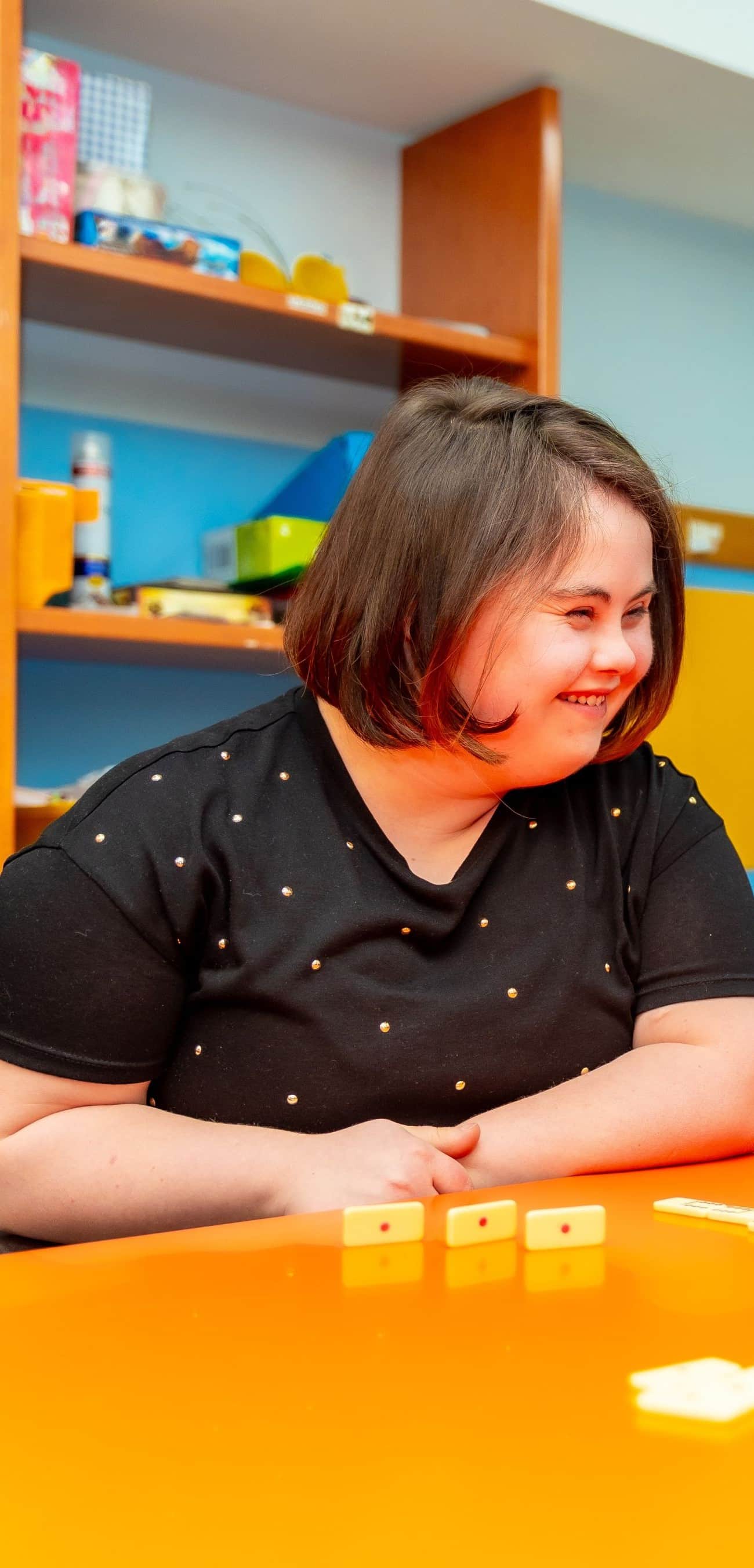
Symptoms of Autism in Adults
Autism does not disappear with age. Many adults who were never diagnosed as children grew up feeling different from everyone around them, often without having words for their experiences. They may have learned how to cope, how to mask, and how to push through situations that overwhelmed them, but the underlying traits remained. This is why so many people explore the symptoms of autism in adults only after years of confusion, burnout, relationship strain, or chronic stress.
Adults on the spectrum often look “high functioning” to others, especially when their intelligence, work ethic, or communication skills hide the deeper challenges they face every day. But being able to mask does not erase the difficulty. It simply delays recognition.
Below are the symptoms many adults experience, explained clearly so you can understand what is happening beneath the surface.
1. Difficulty Reading Social Cues
Adults may struggle to understand tone, body language, or unspoken rules during conversations. They might misinterpret sarcasm, miss hints, or take things literally. This often leads to misunderstandings at work or in friendships, especially when others assume the cues are “obvious.”
2. Exhaustion After Social Interactions
Socializing requires intense effort for many autistic adults. They analyze every gesture, sound, and expression to keep up with the flow of conversation. Even short social events can feel draining. This is one of the most common symptoms of high-functioning autism in adults because people assume the person is outgoing or “fine,” not realizing how much energy it takes to participate.



3. Sensory Overload, Especially in Workplaces
Bright lights, loud offices, strong smells, or crowded environments can cause sensory stress. Adults may avoid open offices, prefer quiet corners, or need noise-canceling headphones. Many people do not notice these sensory triggers until they learn about the symptoms of autism spectrum disorder in adulthood.
4. Trouble With Organization or Planning
Executive functioning challenges are extremely common. Adults may struggle with deadlines, routines, managing tasks, or planning long-term projects. This is not laziness. It is neurological. The brain works differently, and everyday responsibilities can become overwhelming without support.
5. A Strong Need for Routine
Predictability provides comfort. Sudden changes, last-minute decisions, or unclear expectations can cause stress or frustration. Adults may keep the same morning rituals, eat the same foods, or follow strict schedules because it helps them feel grounded.
6. Intense Focus on Specific Interests
Adults often have deep, highly specialized interests. These can be hobbies, academic topics, or work-related skills. This hyperfocus allows them to excel in areas they care about, but it may also be difficult to shift attention to other tasks. This is sometimes seen in mild symptoms of autism, where the person appears extremely passionate or knowledgeable but struggles outside their area of focus.
7. Relationship Misunderstandings
Romantic relationships can be challenging when social cues are difficult to read. Adults may not notice when a partner is hinting at something, may misread emotions, or may communicate in a more direct, literal way. This can create confusion even when the person deeply cares.
8. Emotional Shutdowns
Instead of meltdowns that appear in childhood, many adults experience shutdowns. During a shutdown, a person may become silent, withdrawn, or unable to respond. This is often triggered by sensory overload, conflict, or emotional overwhelm. Understanding this is important, especially when identifying symptoms of adult autism that were missed in childhood.
3. Sensory Overload, Especially in Workplaces
Bright lights, loud offices, strong smells, or crowded environments can cause sensory stress. Adults may avoid open offices, prefer quiet corners, or need noise-canceling headphones. Many people do not notice these sensory triggers until they learn about the symptoms of autism spectrum disorder in adulthood.
4. Trouble With Organization or Planning
Executive functioning challenges are extremely common. Adults may struggle with deadlines, routines, managing tasks, or planning long-term projects. This is not laziness. It is neurological. The brain works differently, and everyday responsibilities can become overwhelming without support.
5. A Strong Need for Routine
Predictability provides comfort. Sudden changes, last-minute decisions, or unclear expectations can cause stress or frustration. Adults may keep the same morning rituals, eat the same foods, or follow strict schedules because it helps them feel grounded.
6. Intense Focus on Specific Interests
Adults often have deep, highly specialized interests. These can be hobbies, academic topics, or work-related skills. This hyperfocus allows them to excel in areas they care about, but it may also be difficult to shift attention to other tasks. This is sometimes seen in mild symptoms of autism, where the person appears extremely passionate or knowledgeable but struggles outside their area of focus.
7. Relationship Misunderstandings
Romantic relationships can be challenging when social cues are difficult to read. Adults may not notice when a partner is hinting at something, may misread emotions, or may communicate in a more direct, literal way. This can create confusion even when the person deeply cares.
8. Emotional Shutdowns
Instead of meltdowns that appear in childhood, many adults experience shutdowns. During a shutdown, a person may become silent, withdrawn, or unable to respond. This is often triggered by sensory overload, conflict, or emotional overwhelm. Understanding this is important, especially when identifying symptoms of adult autism that were missed in childhood.
Women Often Mask the Longest
One of the most overlooked areas is the symptoms of autism in women. Many women learn to mimic social behavior from a young age. They copy how others talk, how they react, how they express emotion, and how they behave in groups. Because they mask so well, many women are diagnosed later in life, often after burnout, depression, or anxiety makes the masking impossible to sustain. This pattern is also seen in the symptoms of high-functioning autism in female adults, where internal struggles remain hidden for decades.
Women may appear social, kind, organized, or bubbly on the outside while privately experiencing intense anxiety, sensory sensitivity, and emotional exhaustion. This is why so many ask late in life, “What are some symptoms of autism in adults?” and finally see themselves reflected in the answers.

Mild or High Functioning Autism Symptoms
Some autistic individuals have symptoms that are subtle enough to be overlooked by teachers, parents, or even medical professionals. These individuals are often intelligent, verbal, and capable in many areas, which creates the illusion that everything is fine. But beneath the surface, they may be working much harder than anyone realizes. This group is often described as having mild symptoms of autism or high-functioning autism, although the diagnostic community now uses support levels instead of the old labels.
Many people in this group spend years feeling out of place or misunderstood. They may excel academically, hold steady jobs, or communicate well, yet still struggle internally with sensory stress, executive functioning, or social nuances. Because the challenges do not always appear dramatic, support is often delayed.
Below are the most common signs, explained in a way that highlights what daily life actually feels like for someone with mild or high-functioning autism.

Difficulty Understanding Nuance in Conversation
A person with mild autism may follow conversations well but struggle with the layers beneath them. They may miss implied meaning, hidden emotions, sarcasm, or subtle tones. For example, if someone says, “I’m fine,” an autistic adult may take it literally rather than recognizing frustration or hurt behind the words. This can lead to misunderstandings, stress, and social confusion even when the person has strong verbal skills.
High Sensitivity to Sensory Triggers
Even in individuals with mild symptoms, sensory issues are usually present. Noise, bright lights, crowded rooms, strong smells, or certain clothing textures can be difficult to tolerate. The person may quietly avoid situations that overwhelm them, leave events early, or mentally “shut down” when overloaded. This sensory stress can build throughout the day and cause burnout.
Strong Preference for Predictability
Predictability makes life feel safe. Sudden changes to plans, new routines, or unclear expectations can create anxiety or emotional discomfort. People with mild symptoms may design their lives around stability without realizing they are doing it. They might follow strict morning routines, avoid last-minute invitations, or plan every detail before leaving the house.
Anxiety When Plans Change
Even small disruptions can feel unsettling. A canceled meeting, a traffic detour, or a sudden shift in schedule may trigger nervousness or frustration. The person may appear rigid, but the need for stability is neurological. It helps them stay grounded and prevents sensory or emotional overload.


Strong Preference for Predictability
Predictability makes life feel safe. Sudden changes to plans, new routines, or unclear expectations can create anxiety or emotional discomfort. People with mild symptoms may design their lives around stability without realizing they are doing it. They might follow strict morning routines, avoid last-minute invitations, or plan every detail before leaving the house.
Anxiety When Plans Change
Even small disruptions can feel unsettling. A canceled meeting, a traffic detour, or a sudden shift in schedule may trigger nervousness or frustration. The person may appear rigid, but the need for stability is neurological. It helps them stay grounded and prevents sensory or emotional overload.

Masking or Pretending to Cope
Masking means hiding autistic traits to appear “normal.” This is extremely common among those with mild or high-functioning autism. They may force eye contact, rehearse responses, mimic facial expressions, or suppress stimming behaviors. Masking can help them blend in, but it comes at a cost. Many experience exhaustion, anxiety, or emotional collapse after long periods of pretending.
Masking is one of the biggest reasons symptoms of high-functioning autism in adults often go unnoticed until much later in life.
Deep, Intense Focus on Interests
A person with mild autism may have strong passions that become a large part of their life. These interests are not just hobbies; they are sources of joy, stability, and motivation. They might spend hours researching a topic, perfecting a skill, or organizing projects around their interest. Although this can be a strength, it may make it hard to shift attention to less preferred tasks.
Exhaustion From Social Environments
Even when someone seems social or capable in group settings, socializing may drain their energy quickly. They may feel alert, tense, or overly self-aware during interactions. After a long workday or social gathering, they might need hours of quiet time to recover. This fatigue is one of the most common signs in individuals with high-functioning autism who have learned to operate in social environments that do not feel natural to them.
Why These Individuals Often Go Unnoticed
People with mild or high-functioning autism can appear outwardly capable, which makes their difficulties invisible. Because they perform well academically, communicate clearly, or appear polite and cooperative, adults assume they are simply “introverted,” “awkward,” or “anxious.” As a result, many do not receive a diagnosis until adulthood, after years of feeling misunderstood.
Recognizing these subtler traits is important because early understanding leads to better support, reduced burnout, and healthier long-term coping strategies.


Exhaustion From Social Environments
Even when someone seems social or capable in group settings, socializing may drain their energy quickly. They may feel alert, tense, or overly self-aware during interactions. After a long workday or social gathering, they might need hours of quiet time to recover. This fatigue is one of the most common signs in individuals with high-functioning autism who have learned to operate in social environments that do not feel natural to them.
Why These Individuals Often Go Unnoticed
People with mild or high-functioning autism can appear outwardly capable, which makes their difficulties invisible. Because they perform well academically, communicate clearly, or appear polite and cooperative, adults assume they are simply “introverted,” “awkward,” or “anxious.” As a result, many do not receive a diagnosis until adulthood, after years of feeling misunderstood.
Recognizing these subtler traits is important because early understanding leads to better support, reduced burnout, and healthier long-term coping strategies.
Overlapping Symptoms of ADHD and Autism
Autism and ADHD often look similar on the surface, especially in young children. Both conditions affect attention, behavior, and how a child responds to the world around them. This is why many kids are first suspected to have ADHD, only for parents to later discover that autism is also present. Some children even have both conditions, which can make early signs harder to interpret.
Understanding the overlap helps families recognize what is happening and seek the right support.

Why the Two Conditions Look Similar
Autism and ADHD are different neurodevelopmental conditions, but they affect some of the same areas of the brain. Both can impact focus, impulse control, sensory processing, and emotional regulation. When these traits overlap, it becomes harder to determine whether a child has ADHD, autism, or both.
Below are the shared traits, explained in real-life terms so parents can understand how they appear in daily life.
Difficulty Focusing or Maintaining Attention
Children with both autism and ADHD may appear distracted or unable to stay on task. They might jump between activities, lose interest quickly, or forget instructions. For some autistic children, the issue is not true inattention but difficulty shifting attention away from internal thoughts or sensory overload.
Sensory Sensitivity
Many children with autism experience sensory overload, but sensory issues also appear in children with ADHD. A child may be distracted by the sound of the air conditioner, bothered by clothing tags, or overwhelmed in noisy rooms. Sensory challenges can make behavior appear inattentive or restless, even when the root issue is sensory input, not attention.
Impulsivity
Acting without thinking is common in ADHD, but it can also appear in autism. Some autistic children respond impulsively when overwhelmed by emotions or sensory stress. They may interrupt others, speak quickly, or act suddenly when routines change. Without context, impulsivity may be mistaken solely for ADHD.
Emotional Regulation Challenges
Both conditions make it difficult for children to manage big feelings. Meltdowns, frustration, or crying spells may happen when tasks feel confusing, transitions happen too quickly, or social situations become overwhelming. Children may react intensely to small triggers because they are managing more internal stress than others realize.


Sensory Sensitivity
Many children with autism experience sensory overload, but sensory issues also appear in children with ADHD. A child may be distracted by the sound of the air conditioner, bothered by clothing tags, or overwhelmed in noisy rooms. Sensory challenges can make behavior appear inattentive or restless, even when the root issue is sensory input, not attention.
Impulsivity
Acting without thinking is common in ADHD, but it can also appear in autism. Some autistic children respond impulsively when overwhelmed by emotions or sensory stress. They may interrupt others, speak quickly, or act suddenly when routines change. Without context, impulsivity may be mistaken solely for ADHD.
Emotional Regulation Challenges
Both conditions make it difficult for children to manage big feelings. Meltdowns, frustration, or crying spells may happen when tasks feel confusing, transitions happen too quickly, or social situations become overwhelming. Children may react intensely to small triggers because they are managing more internal stress than others realize.

Trouble Organizing Tasks
Executive functioning skills are often affected in both autism and ADHD. Children may have trouble planning steps, organizing schoolwork, cleaning up, or remembering routines. They may start tasks without finishing them or struggle to break responsibilities into smaller parts. Parents often interpret this as stubbornness or laziness when it is actually a neurological difficulty.
Restlessness
Restlessness can come from ADHD hyperactivity, but it can also come from autism-related sensory discomfort or anxiety. A child may pace, fidget, wiggle, or bounce because sitting still feels physically uncomfortable. Understanding the reason behind the movement is key to supporting them properly.
Inconsistent Social Skills
Both conditions affect social interaction, but for different reasons. Children with ADHD may interrupt, talk excessively, or miss social cues because their attention shifts rapidly. Autistic children may struggle to read expressions, understand tone, or respond naturally. When these traits overlap, social confusion becomes more noticeable and often requires tailored support.
Why a Proper Evaluation Matters
Because autism and ADHD share so many traits, a child can easily be misdiagnosed or only partially diagnosed. Some children receive ADHD treatment for years without anyone noticing their sensory or communication struggles. Others are diagnosed with autism without recognizing the attention challenges that come from ADHD.
A detailed evaluation helps families understand what is happening beneath the behaviors. When both conditions are identified correctly, children receive strategies that support their strengths and reduce frustration in daily life.
Supporting Your Journey With the Right Resources
Understanding the symptoms of autism is the first step, but knowing what to do next is what truly changes a child’s future. When families recognize early signs, respond with the right tools, and build a supportive environment, children gain confidence, communication improves, and daily life becomes more manageable.
This is where the Dan Marino Foundation becomes an invaluable partner. For more than 30 years, the Foundation has empowered families by providing access to evidence-based programs, technology-driven tools, and lifelong autism resources that support children, teens, and adults at every stage of development. Whether you are navigating early symptoms, supporting school-age challenges, or preparing for adulthood, the right guidance can make the path easier.
If you want support that is practical, compassionate, and grounded in real expertise, explore the Dan Marino Foundation’s programs and resources. Your child’s journey matters — and you do not have to walk it alone.
FAQs
What are the symptoms of autism, and how do they typically appear in children?
The symptoms of autism in children usually appear in early childhood, although the exact age can vary. Many children show signs such as limited eye contact, delayed speech, difficulty with back-and-forth conversation, repetitive movements like hand-flapping, or strong reactions to sounds or textures. Social challenges are often the most noticeable, such as difficulty joining play, preferring to play alone, or not responding to their name. Some children show advanced skills in certain areas while struggling significantly in others. Every child presents differently, which is why autism is referred to as a spectrum.
What are the three main symptoms of autism that parents should look for?
Professionals often describe three core signs:
- Social communication differences, such as difficulty reading facial expressions or understanding social rules.
- Repetitive behaviors or restricted interests, like repeating motions, lining up objects, or fixating intensely on one topic.
Sensory processing differences, including sensitivity to light, sound, touch, or movement.
These are sometimes referred to as the three main symptoms of autism, but the way they appear varies widely across ages and genders.
What are the early symptoms of autism in babies and toddlers?
Early signs often begin before age two. The symptoms of autism in babies may include limited eye contact, not smiling responsively, or not babbling by expected milestones. By the toddler years, parents may notice delayed speech, unusual play patterns, repetitive movements, or difficulty with transitions. The symptoms of autism in toddlers can be subtle or obvious, but early identification helps children access support sooner.
How do symptoms of autism in boys differ from symptoms of autism in girls?
The symptoms of autism in boys tend to be more visible, such as clear repetitive behaviors, social withdrawal, or early language delays. In contrast, the symptoms of autism in girls are often subtle because girls mask more. Girls may mimic peers, hide confusion, or develop socially acceptable but intense interests. Many girls are diagnosed later because their struggles are internal rather than outwardly disruptive. This is especially true for the symptoms of autism in teen girls, who become experts at hiding social difficulties.
What are the symptoms of autism in adults who were never diagnosed as children?
Many adults grow up without realizing they are autistic. Common symptoms of autism in adults include difficulty understanding social cues, sensory overload, a strict need for routine, emotional shutdowns, or deep focus on specific interests. Adults often describe feeling “out of sync” with others. Because masking is common, especially for women, many seek answers later in life when burnout or stress makes coping harder. This is why many people explore symptoms of adult autism for the first time in their 30s or 40s.
What are the signs of high-functioning or mild autism?
Some autistic individuals have more subtle characteristics that are often overlooked. The symptoms of mild autism may include trouble with social nuance, anxiety in unpredictable situations, sensory sensitivity, and exhaustion after social events. Individuals may appear capable externally but struggle internally with organization, flexibility, or emotional regulation. These traits are often described as symptoms of high-functioning autism, although the diagnostic language now focuses on support levels rather than functioning labels.
What are the symptoms of autism spectrum disorder that overlap with ADHD?
Many families notice overlapping behaviors between the two conditions. Shared signs and symptoms of autism and ADHD include difficulty focusing, impulsivity, emotional regulation challenges, restlessness, and sensory sensitivity. These similarities are why some children are first suspected of ADHD and later evaluated for both conditions. Understanding the overlapping symptoms of ADHD and autism helps families get accurate support.
What are the symptoms of autism in adults that differ between men and women?
Gender plays a large role in how autism appears. The symptoms of autism in adult men often involve social difficulty, rigid routines, or intense interests. Women, however, tend to mask more. The symptoms of autism in adult women often include chronic burnout, internalized anxiety, people-pleasing behaviors, or extreme exhaustion after social interactions. Many women identify their traits only after learning about the symptoms of high-functioning autism in female adults.
What are the physical symptoms of autism that families should be aware of?
While autism is primarily neurological, some individuals experience physical indicators. Common physical symptoms of autism may include unusual gait patterns, motor coordination challenges, low muscle tone, repetitive movements, or unusual posture. Sensory-related reactions such as covering ears, squinting in bright light, or avoiding certain clothing textures can also be mistaken for behavioral issues when they are actually physical responses to sensory input.
What should parents do if they recognize symptoms of autism in kids or teens?
If a parent notices the symptoms of autism in kids or is concerned about the symptoms of autism in teenagers, the best next step is an evaluation with a developmental pediatrician, psychologist, or autism specialist. Early understanding reduces frustration and strengthens family support. Even older teens and adults benefit from learning about themselves and accessing tools that improve communication, emotional regulation, and daily functioning. Recognizing the signs or symptoms of autism is not labeling; it is opening the door to support that can improve long-term well-being.
