
What Is Autism? A Complete Guide to Understanding the pectrum
Ask five people, “What is autism?” and you may get five very different answers. Some describe it as a medical condition. Others think of it as a personality trait. Many are left unsure, wondering whether autism is a disorder, a difference, or something in between.
That uncertainty leaves parents with questions when their child misses milestones, adults confused when they recognize themselves in descriptions, and teachers struggling to understand why one student learns so differently from another. Everyone is searching for clarity, yet the definitions they find often feel incomplete.
So what is the true autism meaning? Is it a challenge to be managed, a perspective to be valued, or both? The reality is more complex, and more fascinating, than most people realize. To uncover it, we have to look beyond labels and step into the spectrum itself.

Autism Spectrum Explained: Why It’s Called a Spectrum
When people search for autism spectrum, what they’re really looking for is clarity on why autism is described as a spectrum. The term “spectrum” reflects the fact that autism is not a single, uniform experience. Instead, it’s a wide range of strengths, challenges, and needs that vary from one person to another. This is why professionals often use both autism spectrum disorder (ASD) and autism spectrum condition, to emphasize that it is both a recognized neurodevelopmental disorder autism and a unique way of experiencing the world.
Communication Differences
One of the most recognized autism characteristics involves communication. Some autistic individuals are nonverbal and rely on gestures, picture boards, or communication devices to express themselves. Others may speak fluently but struggle with back-and-forth conversation, sarcasm, or figurative language. Communication differences are part of what makes autism in children and adults so diverse, no two people express themselves in the same way.
Social Interaction
Autism often affects how a person interprets and responds to social cues. Reading facial expressions, body language, or understanding group dynamics can be difficult. For some, eye contact may feel overwhelming, while for others, it may not be instinctive at all. This doesn’t mean autistic individuals don’t want connection; it means their way of connecting might look different. Recognizing these autism spectrum signs helps families, teachers, and peers respond with patience and understanding.
Behaviors and Routines
Another key part of autism symptoms overview involves behaviors and daily patterns. Many autistic people engage in repetitive behaviors or actions, sometimes called “stimming.” This might look like rocking, hand-flapping, or repeating certain sounds or phrases. These behaviors can help regulate emotions, manage sensory input, or provide comfort. Strong routines and predictability are also important, and sudden changes may cause stress. These traits aren’t “bad habits” but meaningful coping strategies that reflect differences in autism brain development.

Social Interaction
Autism often affects how a person interprets and responds to social cues. Reading facial expressions, body language, or understanding group dynamics can be difficult. For some, eye contact may feel overwhelming, while for others, it may not be instinctive at all. This doesn’t mean autistic individuals don’t want connection; it means their way of connecting might look different. Recognizing these autism spectrum signs helps families, teachers, and peers respond with patience and understanding.
Behaviors and Routines
Another key part of autism symptoms overview involves behaviors and daily patterns. Many autistic people engage in repetitive behaviors or actions, sometimes called “stimming.” This might look like rocking, hand-flapping, or repeating certain sounds or phrases. These behaviors can help regulate emotions, manage sensory input, or provide comfort. Strong routines and predictability are also important, and sudden changes may cause stress. These traits aren’t “bad habits” but meaningful coping strategies that reflect differences in autism brain development.

Sensory Experiences
For many autistic individuals, the world feels louder, brighter, or more intense than it does for others. This can include sensitivities to noise, light, textures, or smells. For example, a buzzing light that most people ignore might feel unbearable, or a clothing tag might cause genuine pain. On the other hand, some seek extra sensory input, like touching certain textures or listening to the same sound repeatedly. These sensory differences are central to understanding autism and are among the most defining autism characteristics across the spectrum.
Together, these traits show why autism cannot be reduced to a single description. The autism definition is broad because it has to include a wide spectrum of communication styles, social behaviors, routines, and sensory experiences. Each autistic individual combines these elements in their own way, which is why autism in children and adults can look so different depending on age, environment, and support.
Autism Symptoms Overview
When people first ask what is autism or search for the autism definition, they often expect one clear list of signs. But because autism spectrum disorder (sometimes called autism spectrum condition) is a neurodevelopmental disorder, the signs can look very different depending on age, environment, and support. That’s why having an autism symptoms overview is so important for families, educators, and even adults seeking their own diagnosis.

Autism in Children
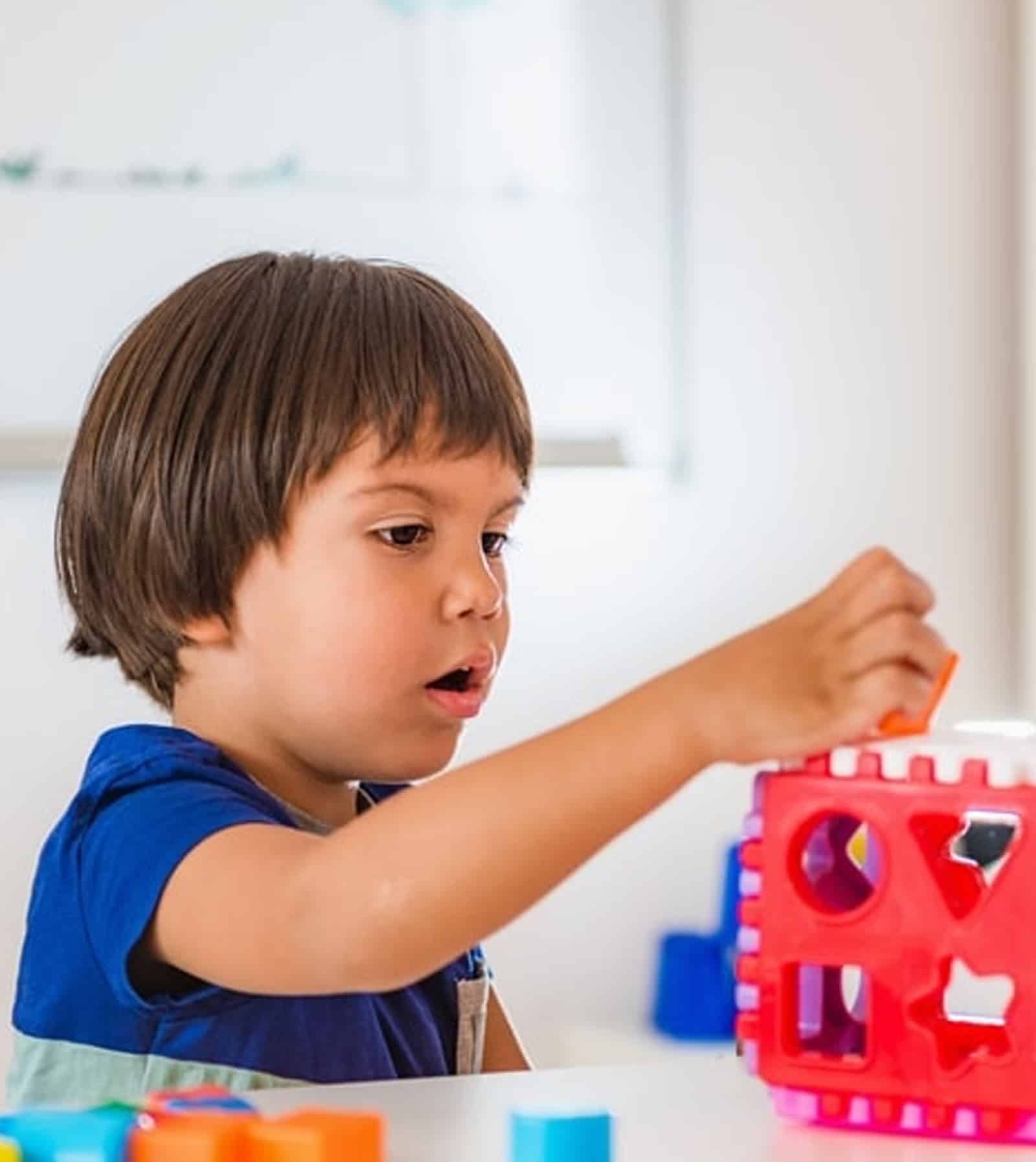
For many families, the earliest autism spectrum signs appear in toddlers or preschool-aged children. Parents may notice delayed speech or language development, limited eye contact, repetitive play patterns like lining up toys, or an unusually strong attachment to routines. Some children may show differences in autism brain development, preferring to play alone or showing less interest in typical back-and-forth social games. These characteristics don’t always mean autism on their own, but together, they can point to the need for an autism diagnosis basics evaluation.
Autism in Adults
When looking at autism in children and adults, the picture shifts. Many autistic adults, especially those with high-functioning presentations, struggle more with the social and emotional aspects than with language itself. They may find group conversations exhausting, misread body language, or experience strong sensory sensitivities to noise, lights, or textures. After social interactions, it’s common for adults to experience “burnout” or extreme fatigue, which is one of the defining autism characteristics that families and employers should recognize. Adults may also discover their diagnosis later in life, when they finally have the language and awareness to connect their lifelong experiences to autism spectrum explained.
Symptoms Shared Across Ages
Despite the differences, some traits appear in both children and adults. These include deep focus on special interests, unique problem-solving approaches, and different ways of communicating. Repetitive behaviors, sensory challenges, or difficulty with transitions can also appear at any age. Recognizing these signs doesn’t just help with understanding autism; it also builds autism awareness and ensures families can access autism resources that support growth and independence.
Why Early Recognition Matters
Identifying autism disorder early gives families more time to find therapies, community supports, and educational accommodations. Early intervention has been shown to improve communication, reduce frustration, and help children adapt to new environments. For adults, awareness and self-recognition can bring access to workplace accommodations, mental health support, and a greater sense of belonging.
In short, the autism meaning is best understood not as a single set of symptoms, but as a spectrum of experiences. By learning to recognize these varied autism spectrum signs, families, caregivers, and individuals themselves can take important steps toward better support, stronger advocacy, and long-term well-being.
Symptoms Shared Across Ages
Despite the differences, some traits appear in both children and adults. These include deep focus on special interests, unique problem-solving approaches, and different ways of communicating. Repetitive behaviors, sensory challenges, or difficulty with transitions can also appear at any age. Recognizing these signs doesn’t just help with understanding autism; it also builds autism awareness and ensures families can access autism resources that support growth and independence.
Why Early Recognition Matters
Identifying autism disorder early gives families more time to find therapies, community supports, and educational accommodations. Early intervention has been shown to improve communication, reduce frustration, and help children adapt to new environments. For adults, awareness and self-recognition can bring access to workplace accommodations, mental health support, and a greater sense of belonging.
In short, the autism meaning is best understood not as a single set of symptoms, but as a spectrum of experiences. By learning to recognize these varied autism spectrum signs, families, caregivers, and individuals themselves can take important steps toward better support, stronger advocacy, and long-term well-being.
Autism Diagnosis Basics
When people ask what is autism, they often expect a simple answer. But autism spectrum disorder (sometimes called autism spectrum condition) is a neurodevelopmental disorder, which means that no single test can provide an immediate autism definition or confirm a diagnosis. Instead, professionals use a series of tools, observations, and input from families to build a complete picture of the individual. Understanding the autism diagnosis basics can help parents, educators, and even adults themselves know what to expect.
Early Screenings and Developmental Checks
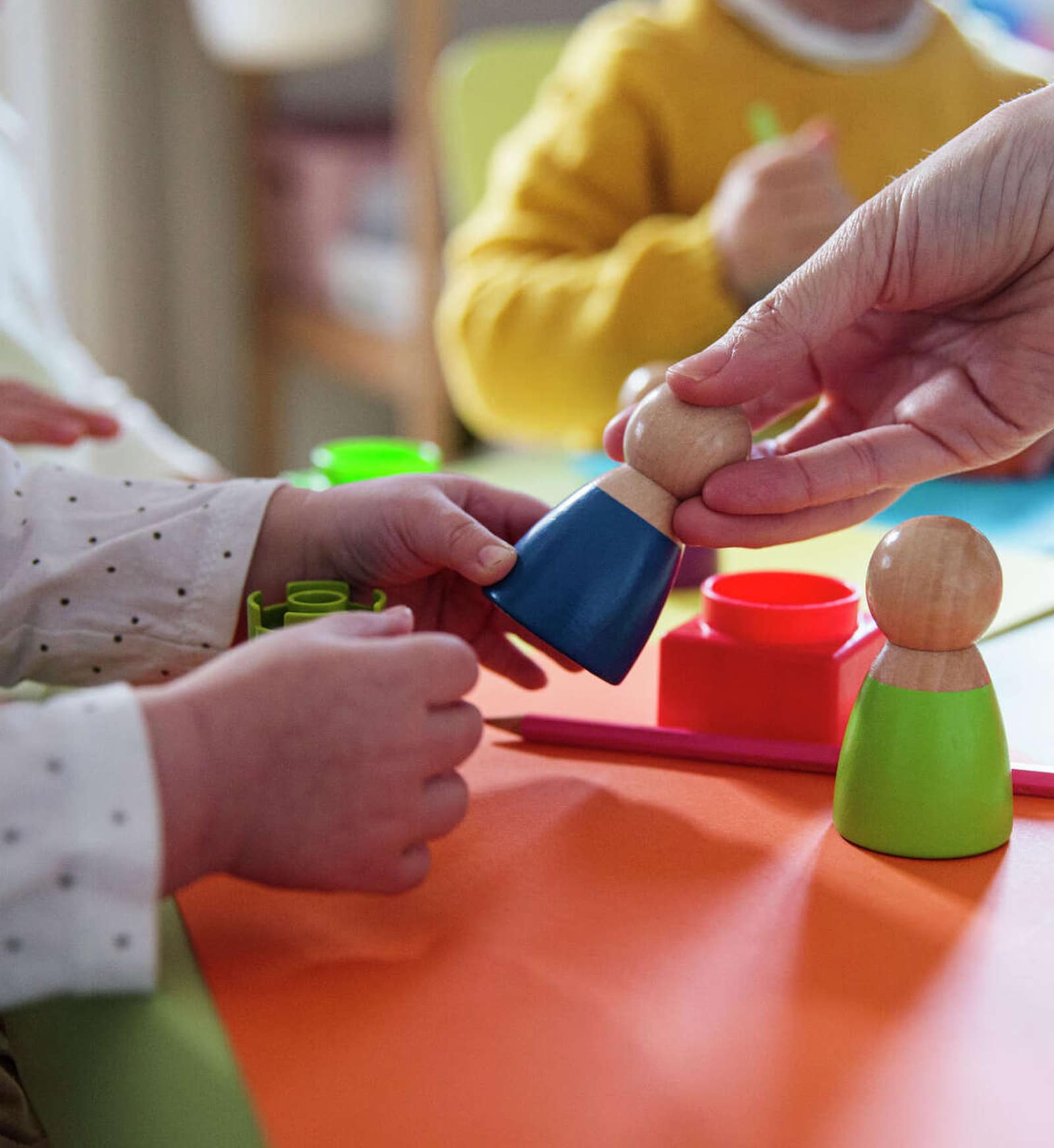
Most diagnoses begin with routine developmental screenings in early childhood. Pediatricians look for autism spectrum signs like delayed speech, limited eye contact, or repetitive play. If concerns arise, they may recommend a more detailed evaluation. These screenings don’t confirm autism on their own, but they act as the first signal that autism brain development may differ from typical patterns.
Professional Evaluations
When the signs point to autism disorder, professionals such as child psychologists, pediatric neurologists, or speech therapists conduct formal assessments. These evaluations often include structured observation, standardized questionnaires, and direct interaction with the child. For autism in children and adults, the core focus is the same: measuring social communication, behavior patterns, and sensory responses against established criteria. This process is how autism spectrum explained moves from suspicion to official recognition.
Diagnoses in Adolescence and Adulthood
Not everyone receives a diagnosis as a child. Some individuals are identified later, especially those with high-functioning forms of autism or those who have learned to “mask” symptoms. In these cases, challenges often surface in school, work, or relationships. Adults may struggle with sensory overload, anxiety, or social fatigue before seeking professional help. This delayed recognition shows why autism awareness and access to proper evaluations remain so important for all ages.
Input from Families and Educators
A diagnosis isn’t complete without the voices of those who know the person best. Parents, caregivers, and teachers are asked to share details about behavior across different settings at home, in school, and in social environments. Their insight helps professionals understand autism characteristics beyond the clinic, providing a fuller autism symptoms overview.

Diagnoses in Adolescence and Adulthood
Not everyone receives a diagnosis as a child. Some individuals are identified later, especially those with high-functioning forms of autism or those who have learned to “mask” symptoms. In these cases, challenges often surface in school, work, or relationships. Adults may struggle with sensory overload, anxiety, or social fatigue before seeking professional help. This delayed recognition shows why autism awareness and access to proper evaluations remain so important for all ages.
Input from Families and Educators
A diagnosis isn’t complete without the voices of those who know the person best. Parents, caregivers, and teachers are asked to share details about behavior across different settings at home, in school, and in social environments. Their insight helps professionals understand autism characteristics beyond the clinic, providing a fuller autism symptoms overview.

Why Diagnosis Matters
Understanding the causes of autism is still an area of research, but identifying the condition early makes a real difference. A timely diagnosis helps families access therapies, schools provide accommodations, and adults receive workplace support. For many, the process also brings clarity: it shifts the question from “Why am I struggling?” to “How can I find the right resources?”
In short, the autism meaning goes beyond medical labels. It’s about recognizing that each person’s journey is unique and ensuring they have the tools to succeed. A thorough evaluation process, rooted in science, professional expertise, and family input, turns autism diagnosis basics into a roadmap for better support and understanding.
Causes of Autism: What We Know
When families begin understanding autism, one of the first questions they ask is, “What causes it?” The truth is, there’s no single answer. Autism, formally recognized as a neurodevelopmental disorder, emerges from a combination of factors, and researchers are still uncovering how these influences interact. Looking at the causes of autism involves examining genetics, biology, environment, and the way the brain develops in the earliest stages of life.
Genetic Factors and Inherited Traits
Many studies point to genetics as one of the strongest contributors to autism. Certain genetic variations appear more often in autistic individuals, and family history can increase the likelihood of diagnosis. However, genetics alone don’t determine outcomes. One child in a family may display clear autism spectrum signs, while a sibling may not. This variation is part of why autism spectrum explained is so complex; it’s not about a single “autism gene,” but a network of genetic influences that interact differently for each person.
Brain Development Differences
Another critical factor is autism brain development. Research using brain imaging shows that autistic individuals often have differences in brain connectivity and growth, especially in areas related to communication, sensory processing, and social interaction. Some children show unusually rapid neural growth early in life, while others show atypical patterns in how brain regions “talk” to one another. These biological differences help explain many of the common autism characteristics, such as heightened sensory sensitivity or challenges with social cues.
Environmental Influences
In addition to genetics and biology, environmental influences during pregnancy and early development may contribute. These include advanced parental age, certain prenatal complications, or low birth weight. Scientists stress that these factors do not “cause” autism on their own but may increase the likelihood when combined with genetic predispositions. Importantly, vaccines have been thoroughly studied and are not a cause – a misconception that has been repeatedly disproven through large-scale research and endorsed by global health authorities.
Autism Across the Lifespan
It’s also important to note that autism in children and adults can look different. Some signs appear in toddlerhood such as delayed speech or repetitive play, while others become more noticeable in adolescence or adulthood, such as social burnout or difficulty managing work expectations. This diversity highlights why autism awareness is so critical: recognizing the broad range of presentations ensures that people receive support no matter when they’re diagnosed.

Environmental Influences
In addition to genetics and biology, environmental influences during pregnancy and early development may contribute. These include advanced parental age, certain prenatal complications, or low birth weight. Scientists stress that these factors do not “cause” autism on their own but may increase the likelihood when combined with genetic predispositions. Importantly, vaccines have been thoroughly studied and are not a cause – a misconception that has been repeatedly disproven through large-scale research and endorsed by global health authorities.
Autism Across the Lifespan
It’s also important to note that autism in children and adults can look different. Some signs appear in toddlerhood such as delayed speech or repetitive play, while others become more noticeable in adolescence or adulthood, such as social burnout or difficulty managing work expectations. This diversity highlights why autism awareness is so critical: recognizing the broad range of presentations ensures that people receive support no matter when they’re diagnosed.
Why Understanding Causes Matters
Learning about the causes of autism isn’t about “preventing” or “curing” the condition. Instead, it helps families and professionals understand how best to provide support. By linking genetic research, insights into autism brain development, and observations from daily life, science is moving closer to a fuller picture of the condition. This knowledge not only deepens our understanding but also strengthens advocacy, ensuring that the definition of autism reflects the lived experiences of autistic people themselves.
In short, the current autism symptoms overview shows that autism is the result of many factors working together, not one isolated cause. Ongoing studies continue to refine how we interpret these connections, but the ultimate goal is clear: to improve early recognition, guide effective interventions, and foster greater inclusion for all who live with autism spectrum disorder.
Understanding Autism Through Strengths
When most people hear discussions about autism spectrum disorder, the focus often falls on challenges and symptoms. But understanding autism fully means looking at the whole picture, including the strengths, talents, and perspectives that many autistic individuals bring to their communities. Recognizing these positive qualities not only reshapes how we view autism spectrum condition but also helps build a culture of respect, acceptance
Memory and Recall
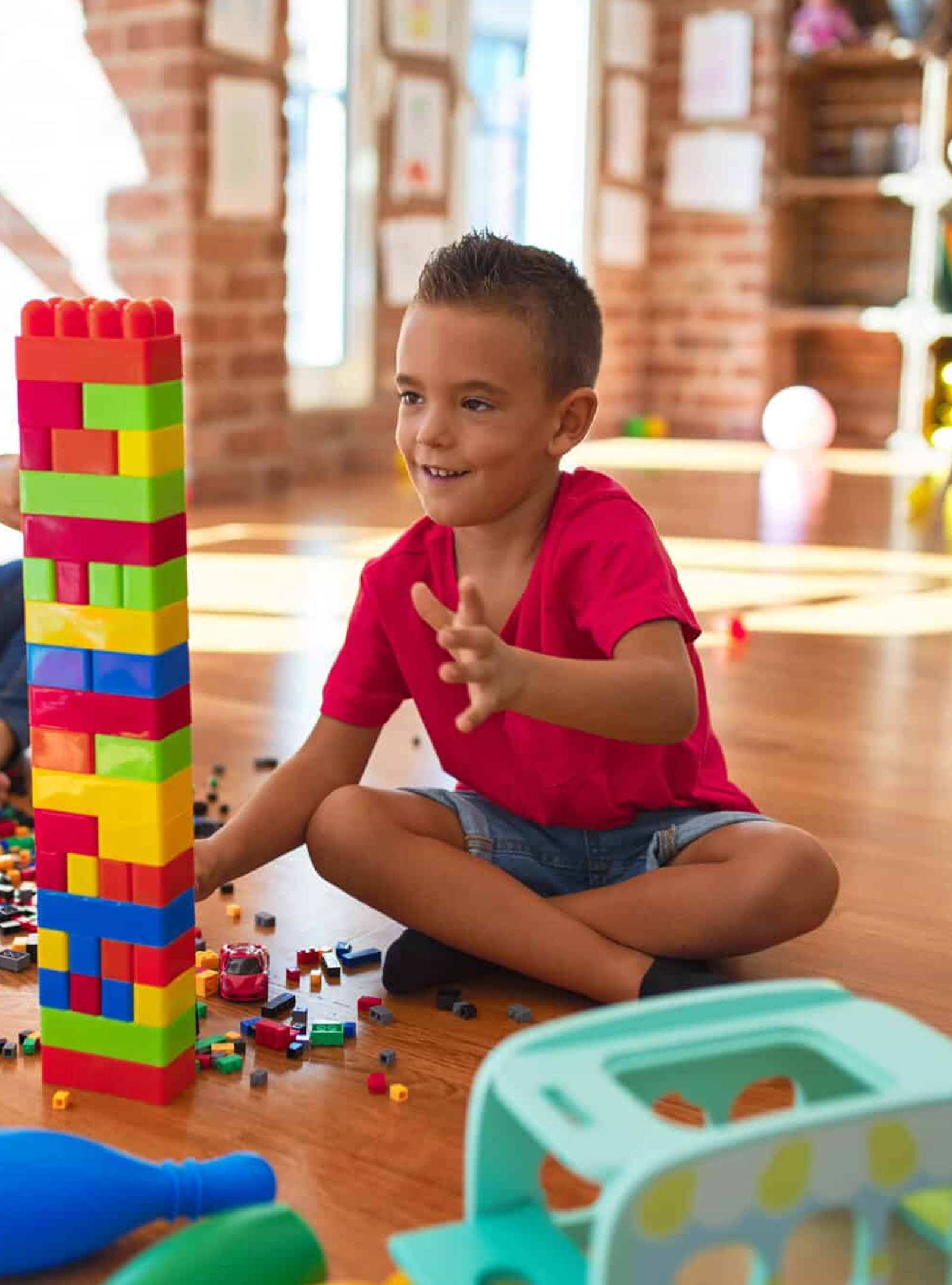
One of the most celebrated strengths is an exceptional memory. Many autistic individuals can remember detailed facts, conversations, or sequences with clarity. In classrooms, this can make a student a natural expert on certain topics, while in workplaces, it can support tasks that require precision and accuracy. This ability reflects differences in autism brain development and shows how autism characteristics extend beyond challenges.
Intense Focus and Passion
Another common strength is intense focus on areas of interest. While this trait is sometimes described as “restricted interests,” in reality, it can translate into expertise. A child deeply passionate about trains may later pursue a career in engineering or logistics. An adult fascinated by coding can become a highly skilled programmer. This level of dedication often surpasses what neurotypical peers display, demonstrating why employers benefit when they tap into the talents of autism in children and adults as they grow into professionals.
Creativity and Problem-Solving
The ability to see problems from unique angles is another hallmark of many autistic thinkers. Because their brains process information differently, they may generate innovative solutions that others overlook. Whether it’s designing art, inventing new systems, or approaching workplace challenges, their creativity highlights why autism awareness must go hand in hand with opportunities for contribution.
Honesty and Reliability
Honesty, reliability, and a strong sense of fairness are often noted strengths. Many autistic people prefer clear rules and dislike dishonesty or hidden agendas. In professional and personal settings, this translates into dependable employees, trustworthy friends, and individuals who stick to their commitments. Recognizing this aspect of autism spectrum explained helps shift the narrative from deficit to value.
Why Focusing on Strengths Matters
Highlighting these positive traits doesn’t mean ignoring the real challenges that come with a neurodevelopmental disorder autism diagnosis. Instead, it balances the view. When families, schools, and employers focus only on autism spectrum signs as deficits, they risk missing the abilities that can enrich classrooms, workplaces, and communities. By understanding autism through strengths, we create inclusive spaces where autistic children and adults are empowered to thrive.

Honesty and Reliability
Honesty, reliability, and a strong sense of fairness are often noted strengths. Many autistic people prefer clear rules and dislike dishonesty or hidden agendas. In professional and personal settings, this translates into dependable employees, trustworthy friends, and individuals who stick to their commitments. Recognizing this aspect of autism spectrum explained helps shift the narrative from deficit to value.
Why Focusing on Strengths Matters
Highlighting these positive traits doesn’t mean ignoring the real challenges that come with a neurodevelopmental disorder autism diagnosis. Instead, it balances the view. When families, schools, and employers focus only on autism spectrum signs as deficits, they risk missing the abilities that can enrich classrooms, workplaces, and communities. By understanding autism through strengths, we create inclusive spaces where autistic children and adults are empowered to thrive.
Autism in Children and Adults Across the Lifespan
When people ask what is autism, it’s important to remember that it is not something someone “outgrows.” Autism spectrum disorder is a lifelong neurodevelopmental disorder autism, which means needs and strengths change at different stages of life. By looking at autism in children and adults, families, schools, and workplaces can see how flexible support systems must be to meet these evolving challenges and opportunities.
Childhood: Early Therapies and Intervention
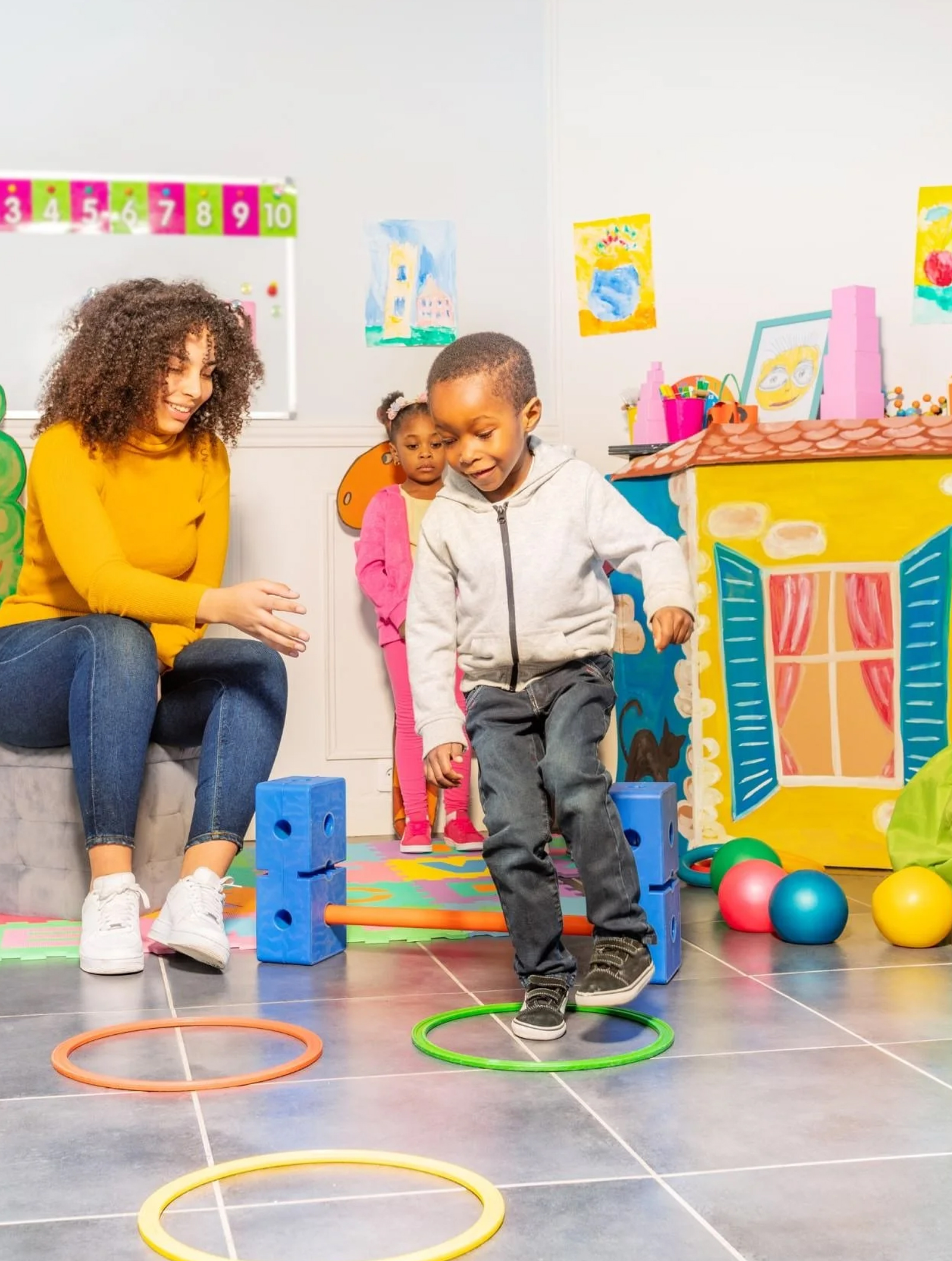
For young children, early intervention is often the most critical step. This may include speech therapy to support communication, occupational therapy to improve motor skills, and behavioral therapies that help with daily routines and emotional regulation. A strong focus on early autism diagnosis basics gives families the chance to start therapies sooner, which research shows can improve long-term outcomes. At this stage, parents often notice autism spectrum signs such as delayed speech, repetitive behaviors, or unusual sensory reactions. Recognizing these signs builds autism awareness and ensures children get the right help during critical stages of autism brain development.
Adolescence: Growing Independence and Self-Advocacy
As children grow into teens, their needs often shift. Adolescents may struggle with friendships, peer pressure, or the challenge of becoming more independent. For many, autism spectrum explained in this stage means focusing less on basic therapies and more on social skills, self-advocacy, and preparing for adulthood. Teens may need support navigating bullying or learning how to express their needs to teachers and peers. Transition planning also begins here, with schools and families looking at the next steps in education, vocational training, or community resources.
Adulthood: Employment and Community Support
For adults, the focus often turns to employment, independence, and building fulfilling social lives. Many adults benefit from job training, workplace accommodations, or structured support networks that help them manage stress and avoid burnout. Employers who understand autism characteristics and offer accommodations, such as quiet workspaces, flexible schedules, or written instructions, can unlock the unique strengths of autistic employees. Adults may also seek social groups, mental health resources, or community programs that provide ongoing guidance. This stage highlights how understanding autism across the lifespan is not about “fixing” challenges but about creating environments where people thrive.
Why Lifespan Support Matters
Viewing autism as a condition that spans a lifetime reinforces why flexible, compassionate support is so important. From early intervention for toddlers to workplace training for adults, every stage requires adjustments that respect dignity and independence. Autism is not a condition of childhood alone; it is a lifelong journey that affects school, work, relationships, and daily living. The more society invests in resources for autism in children and adults, the closer we get to communities where inclusion is the norm and not the exception.

Adulthood: Employment and Community Support
For adults, the focus often turns to employment, independence, and building fulfilling social lives. Many adults benefit from job training, workplace accommodations, or structured support networks that help them manage stress and avoid burnout. Employers who understand autism characteristics and offer accommodations, such as quiet workspaces, flexible schedules, or written instructions, can unlock the unique strengths of autistic employees. Adults may also seek social groups, mental health resources, or community programs that provide ongoing guidance. This stage highlights how understanding autism across the lifespan is not about “fixing” challenges but about creating environments where people thrive.
Why Lifespan Support Matters
Viewing autism as a condition that spans a lifetime reinforces why flexible, compassionate support is so important. From early intervention for toddlers to workplace training for adults, every stage requires adjustments that respect dignity and independence. Autism is not a condition of childhood alone; it is a lifelong journey that affects school, work, relationships, and daily living. The more society invests in resources for autism in children and adults, the closer we get to communities where inclusion is the norm and not the exception.
Autism Disorder vs. Autism Spectrum Condition
When you look at the formal autism definition, the medical term is autism spectrum disorder (ASD). This classification comes from the DSM-5, which labels it as a neurodevelopmental disorder autism, meaning it affects how the brain develops and influences communication, behavior, and social interaction. From a clinical perspective, using the word “disorder” helps doctors and specialists standardize diagnosis, research, and access to support services.
But language matters. Within the autistic community, many people feel that the word “disorder” frames autism only in terms of deficits. That’s why you’ll also hear the term autism spectrum condition. This alternative emphasizes that autism is not simply a problem to be fixed, but rather a different way of experiencing the world. It highlights the unique autism characteristics that shape how individuals think, learn, and connect with others.
Both terms, autism spectrum disorder and autism spectrum condition, are used, and neither is “wrong.” The first is rooted in medical practice, while the second reflects the lived experiences of autistic people. For families trying to achieve understanding autism, recognizing this distinction is important. A diagnosis may open doors to therapies, accommodations, and funding, but choosing inclusive language builds dignity and respect.
Ultimately, the difference between the terms lies in perspective. Clinicians may rely on the autism disorder label for consistency, but advocates and self-advocates often prefer autism spectrum explained through the lens of identity and acceptance. By acknowledging both, we can encourage autism awareness that is not only scientifically accurate but also compassionate toward the individuals behind the diagnosis.
Understanding Autism Is a Shared Responsibility
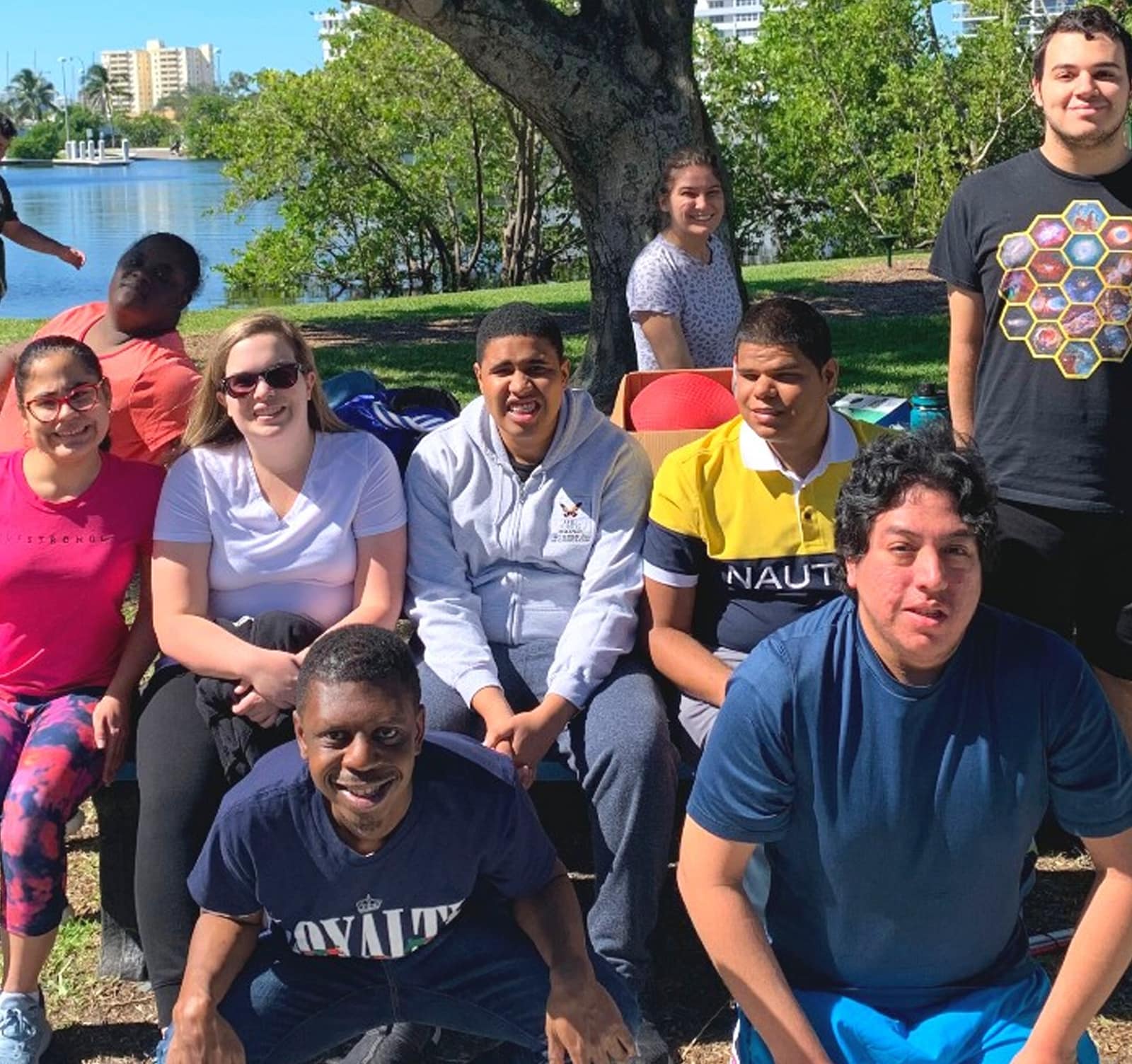
Now that you’ve seen autism explained through its definition, signs, causes, and diagnosis, one truth stands out: autism is part of human diversity. It is not a problem to be solved but an experience to be understood and respected. Building true inclusion means more than knowing the autism definition; it requires putting that knowledge into action.
In schools, this looks like classrooms where teachers adapt lessons for different learning styles. In workplaces, it means creating environments where neurodivergent employees have the same opportunities to succeed. In everyday life, it means showing patience, compassion, and acceptance, whether you’re supporting autism in children and adults or simply practicing kindness toward someone navigating sensory overload.
But inclusion can’t be left to individuals alone. It’s a collective effort that depends on communities, businesses, and charities working together. One way to make a lasting impact is by supporting organizations that empower autistic individuals directly.
If you’re looking for a place to start, the Dan Marino Foundation is dedicated to preparing young people with autism and other developmental disabilities for independence and meaningful employment. You can get involved, support their programs through donations, or reach out to learn more about how they’re building inclusive futures.
By choosing to support an autism charity that prioritizes dignity, education, and opportunity, you’re not just giving but also helping create a world where autistic voices are valued, strengths are recognized, and inclusion is the standard.
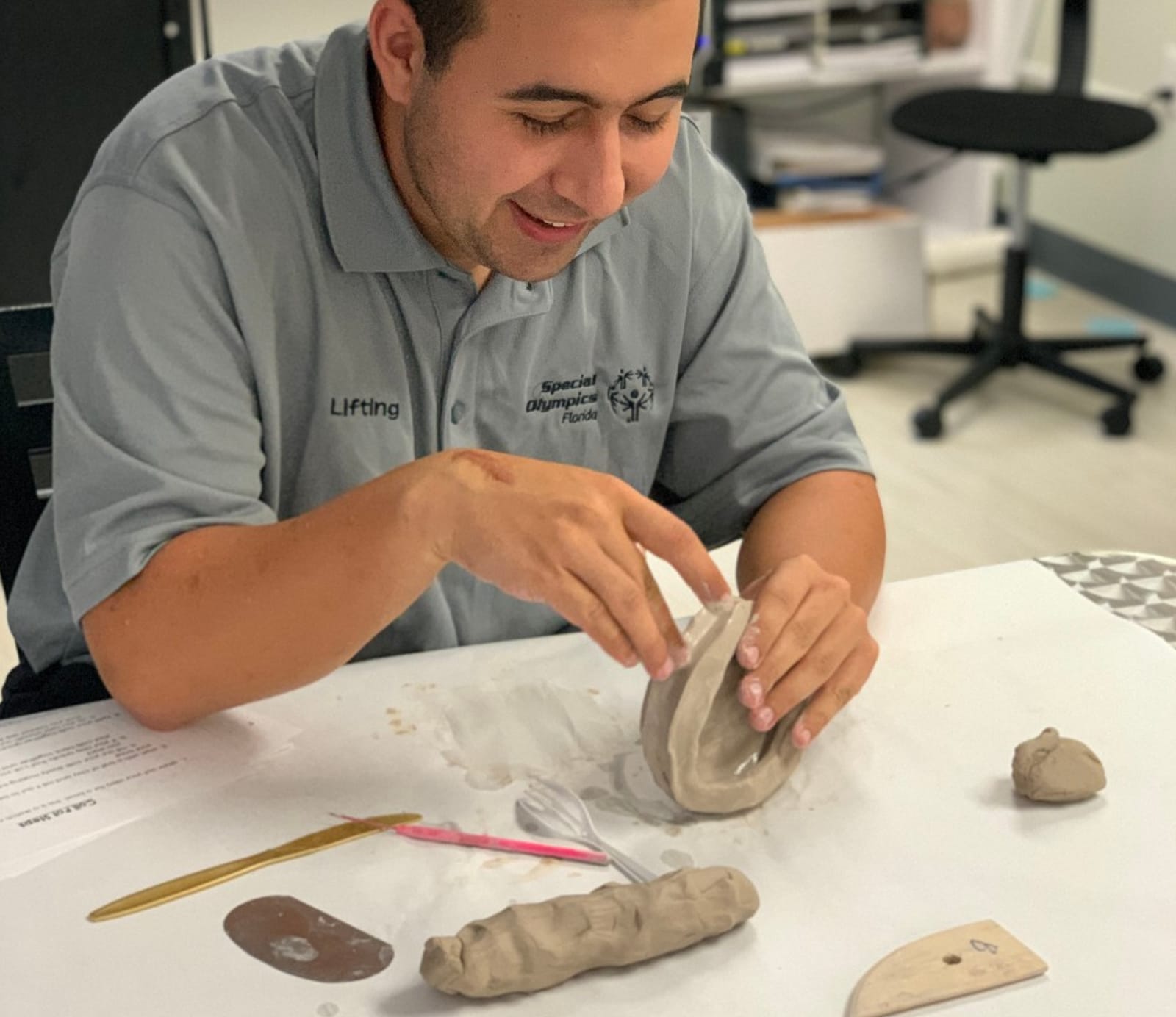
But inclusion can’t be left to individuals alone. It’s a collective effort that depends on communities, businesses, and charities working together. One way to make a lasting impact is by supporting organizations that empower autistic individuals directly.
If you’re looking for a place to start, the Dan Marino Foundation is dedicated to preparing young people with autism and other developmental disabilities for independence and meaningful employment. You can get involved, support their programs through donations, or reach out to learn more about how they’re building inclusive futures.
By choosing to support an autism charity that prioritizes dignity, education, and opportunity, you’re not just giving but also helping create a world where autistic voices are valued, strengths are recognized, and inclusion is the standard.
